- Dutch startup Euclyd, which is a building a chip for AI inference that seeks to rival Nvidia, has raised $230 million funding round.
- The round was co-led by Samsung, Somerset Capital Partners, the Scaleup Europe Fund and Innovation Industries.
- A number of tech giants are developing their own AI chips.
In this article
Follow your favorite stocksCREATE FREE ACCOUNTSamsung has backed a Dutch AI chipmaker in a $231 million funding round, amid a boom in investment in alternatives to Nvidia's graphic processing units.
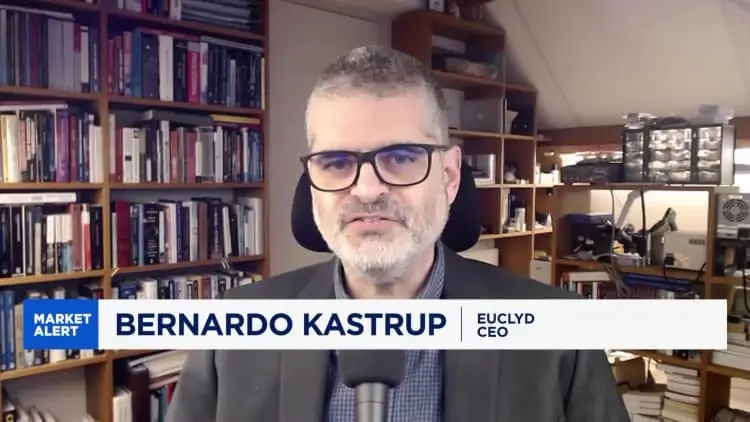
Euclyd CEO Bernardo Kastrup told CNBC exclusively that the company's 200-million-euro Series A drew backing from Somerset Capital Partners, the Scaleup Europe Fund managed by EQT and Innovation Industries, which all co-led the round alongside Samsung.
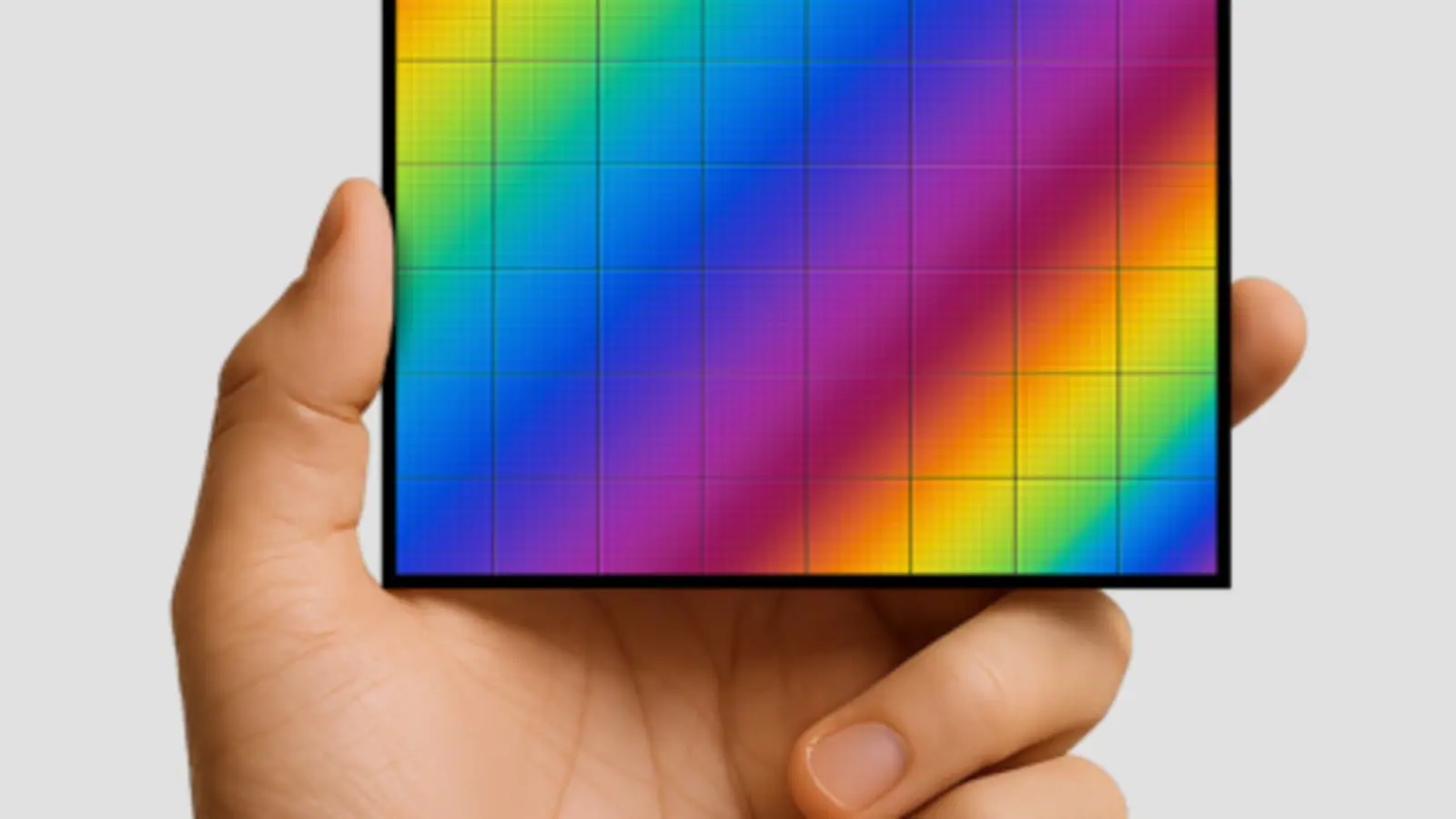
The startup, founded in 2024, is designing an AI chip system, with different architecture to GPUs, for inference, including the processor and memory architecture.
Nvidia became the world's most valuable company after its GPUs, originally designed for gaming, were repurposed for training and using AI models, known as inference.
The company has developed a near monopoly over the market for the highest-end chips, but some hyperscalers, alongside startups, are looking to develop their own processors for AI workloads.
OpenAI announced in August that its first AI chip, the Jalapeño, had "industry-leading speed and efficiency." Google, AWS and Meta are all also developing their own AI chips.
watch nowVIDEO6:0906:09Nvidia rival looks to raise €100 million in scaling boostSquawk Box Europe"AI is becoming a foundation of economic growth, scientific discovery and national competitiveness, but its potential will remain constrained unless we fundamentally change the infrastructure beneath it," said Kastrup.
Euclyd's systems have yet to be proven at scale in commercial deployments.
But the company said its silicon systems for foundational models will reduce the energy needs and costs of AI data center infrastructure, which is seeing a funding boom.
The company is targetingtwo revenue streams: selling hardware and physical rack systems to enterprise customers who want secure self-hosted AI inference, and selling its intellectual property to companies that want to develop their own chips based on pre-existing tech.
"Samsung can help us in more ways than money," said Kastrup. "They are one of the biggest memory manufacturers in the world. They do a lot of engineering, they know a lot about systems, they know the supply chain, they have a huge network."
Euclyd aims to begin rolling out its physical chip systems in 2028, with thousands of enterprise customers being served by 2030, Kastrup told CNBC.
Choose CNBC as your preferred source on Google and never miss a moment from the most trusted name in business news.