
- The New Zealand dollar tanked against major currencies on Wednesday.
- It came after the country's central bank held rates steady.
- The decision surprised markets, which had been widely expecting a hike.
In this article
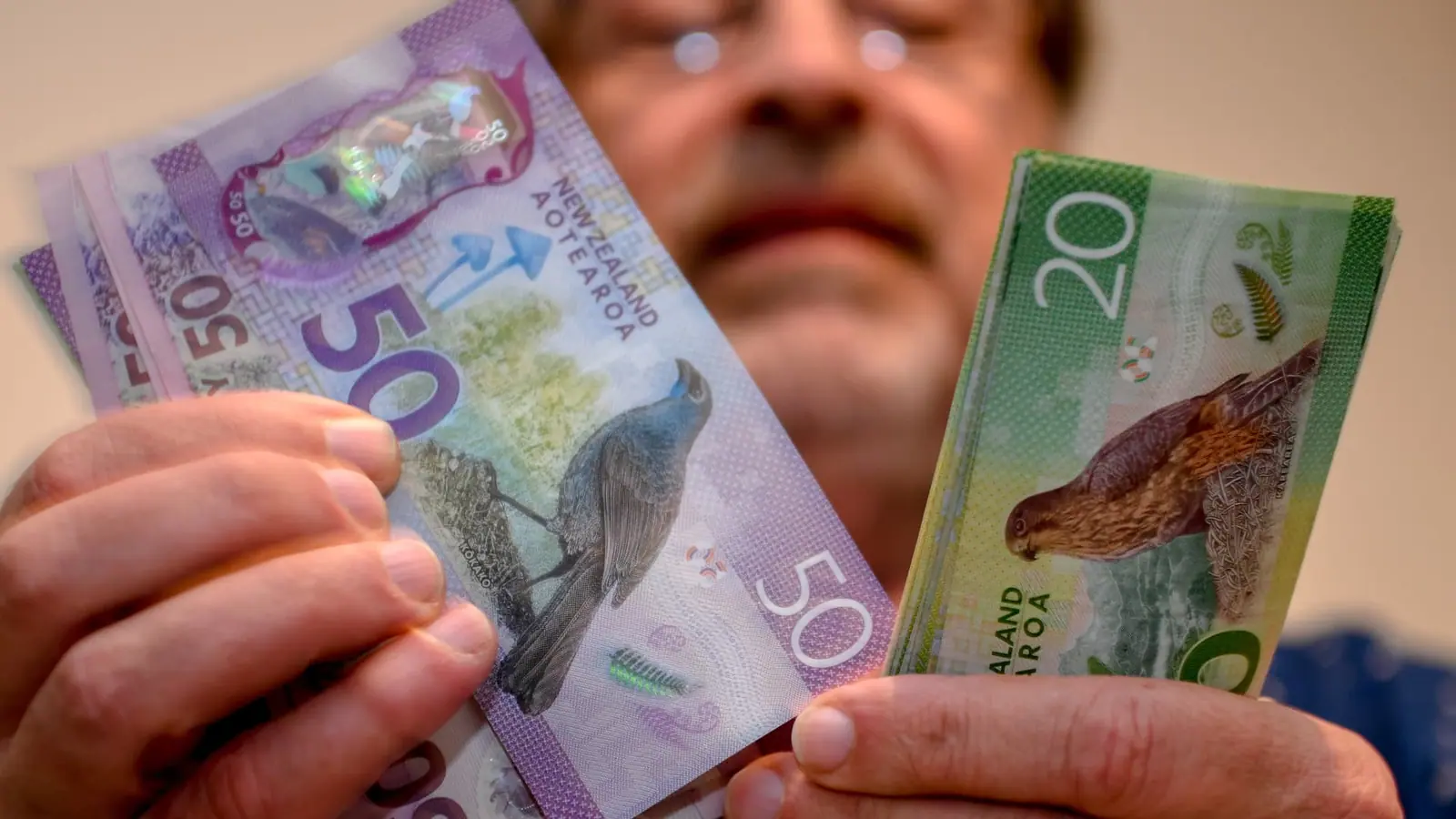
Follow your favorite stocksCREATE FREE ACCOUNTA man counts New Zealand banknotes in Auckland, New Zealand, on May 11, 2018. Xinhua News Agency | Getty ImagesThe New Zealand dollar fell sharply on Wednesday, as markets reacted to an unanticipated interest rate decision from the country's central bank.
By 8 a.m. ET, the currency was down 1.3% intraday against both the U.S. and Australian dollars, and had also fallen more than 1% versus the British pound, Japanese yen and euro.
Against the greenback, the New Zealand dollar is down almost 5% from six months ago.
USD/NZDOn Wednesday, the Reserve Bank of New Zealand's Monetary Policy Committee voted by a slim majority of four to three to keep its key interest rate steady at 2.75%.
Traders had been pricing in a rate hike as nearly certain, and economists polled by Reuters had overwhelmingly forecast rates to rise.
In the third quarter, New Zealand's annual inflation rate hit 3.7%, down from 4.1% in the previous quarter and lower than expected.
The country's central bank, which has an inflation target range of 1% to 3%, has raised rates twice this year, in July and September. In both cases, it cited the economic impact of the U.S.-Iran war.
"Global events are adding to near-term inflation pressures in New Zealand," policymakers said in a release outlining their decision. "Fuel prices have risen further because of ongoing disruptions in global energy markets, and the exchange rate has fallen by around 3 percent since early September."
New Zealand is a net importer of energy, making it vulnerable to external shocks in the supply chain. Petrol, electricity and international airfares all put strong upward pressure on prices in the country in the three months to September.
The central bank's MPC said Wednesday it was aiming to return inflation to 2% over the medium term, while "discounting temporary disturbances in inflation and avoiding unnecessary instability in the economy."
Bets on a rate hike at the RBNZ's final meeting of the year fell drastically on Wednesday. LSEG data last showed markets pricing in a 40.8% chance of a 25-basis-points hike in December, down from a near three-in-four chance just hours earlier.
Yields on New Zealand government bonds fell in the wake of the decision, with the benchmark 10-year bond seeing its yield pull back by 3 basis points. The yield on the shorter-maturity 2-year government bond, which typically tracks central bank decisions more closely, fell by 11 basis points.
New Zealand Dollar 'on the defensive'
In a note on Wednesday morning, currency strategists at BBH said the RBNZ's less hawkish stance relative to other central banks "should keep NZD on the defensive."
"Despite the [vote] split, all members retained a tightening bias," they said. "But they noted that incoming data over the next six weeks 'could meaningfully change the appropriate policy stance in either direction.'"
Deutsche Bank's Jim Reid said in a note that the RBNZ decision had surprised markets.
"The decision contrasted with market pricing and economist expectations, with a hike having been more than 90% priced ahead of the meeting," he said. "While policymakers cited easing headline inflation and a patchy economic recovery, they also signaled that additional tightening may still be required to ensure inflation returns sustainably to 2%. The unexpected pause has weighed on the New Zealand dollar."
Choose CNBC as your preferred source on Google and never miss a moment from the most trusted name in business news.