
Hannah Walker says systems designed to minimise expenditure in the name of efficiency can end up less capable of fulfilling their actual purpose
The article by Steven Strogatz and Alex Townsend on the dangers of excessive optimisation identifies a problem extending far beyond mathematics and artificial intelligence (The efficiency trap: why optimising everything can backfire, badly, 8 November).
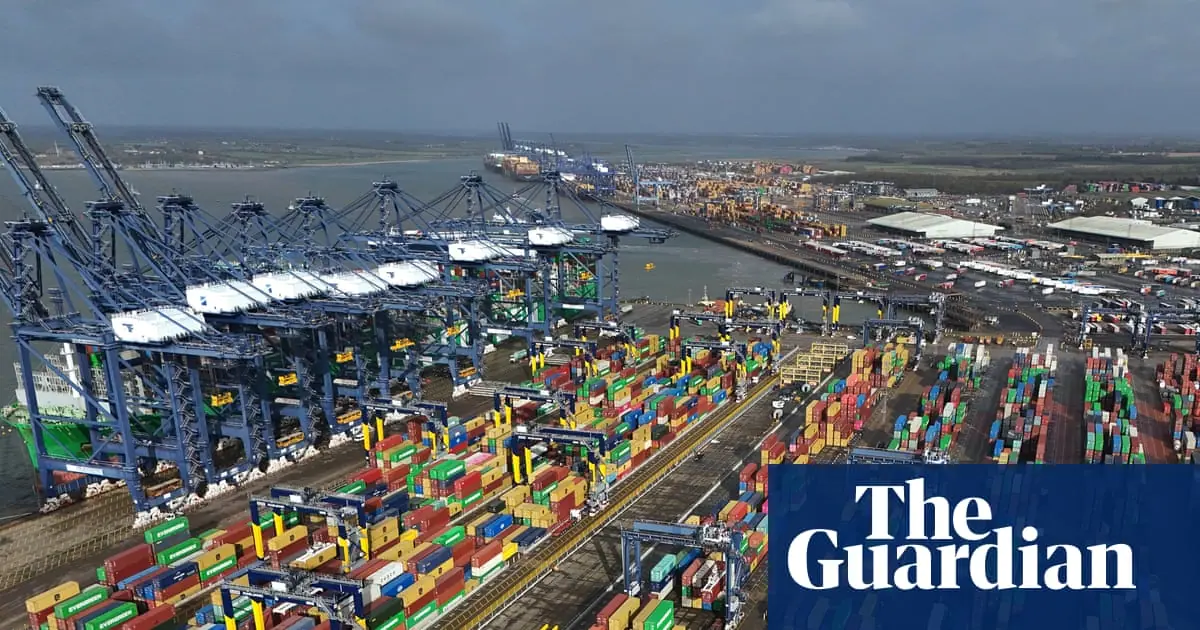
The widespread adoption of just-in-time supply chains illustrates it perfectly. By eliminating inventories and spare capacity, businesses reduced costs and improved efficiency, but frequently transferred those savings into risks that remained invisible until something went wrong. The disruption of global manufacturing during the pandemic exposed the consequences.
The same thinking has shaped public services and national defence. Hospital beds, experienced staff, strategic stockpiles and redundant infrastructure can all appear wasteful when measured against immediate demand. Yet their value lies precisely in their availability when circumstances cease to be normal.
Europe’s dependence on American military capabilities provides a particularly troubling example. What appeared financially efficient in peacetime has created strategic vulnerabilities as the reliability of US commitments comes into question.
The fundamental error is not optimisation itself, but optimising the wrong objective. A system designed to minimise expenditure may succeed brilliantly at doing so while becoming progressively less capable of fulfilling its actual purpose. Resilience is not inefficiency. It is a form of insurance. Like all insurance, the value only becomes apparent when it is needed – usually in a crisis.
Hannah Walker
Wymondham, Leicestershire
- Emergency planning
- Supply chain crisis
- NHS
- Manufacturing sector
- Public services policy
- Infrastructure
- Milton Keynes
- letters