Prime Minister Le Minh Hung departs for ASEAN Summits in Philippines
ASEAN remains top strategic priority in Viet Nam's foreign policy
Le Minh Hung to attend 49th ASEAN Summit and related Summits in Philippines
These projects should focus on such areas as cross-border transport corridor, logistics, power grid, digital, infrastructure, and sustainable smart cities, he said.
Southeast Asia needs US$7.1 trillion in infrastructure investment through 2040 to support economic growth, strengthen energy security, and build connected and resilient economies, according to a new Asian Development Bank (ADB) report released last week.
“Southeast Asia’s growth depends on what it builds next,” said ADB President Masato Kanda. “Its factories need dependable electricity, and its businesses need faster, safer ways to reach markets. These investments must also be built to deliver long-term benefits. ADB will help governments bring forward projects that investors can trust and people can depend on.”
The report estimates annual infrastructure needs of US$476 billion from 2026 to 2040, equivalent to 8.7 percent of the region’s gross domestic product. The assessment reflects the region’s growing demand for modern infrastructure as its economies expand, urbanize, and become increasingly digitally connected and service oriented.
At current levels, government investment would cover only 45 percent of the requirement, leaving an estimated financing gap of US$264 billion a year.
Electricity and transport account for 85% of the region’s infrastructure needs, requiring $3.6 trillion and US$2.5 trillion, respectively, while roads remain the largest transport investment need at nearly US$2 trillion, while railways and airports are among the fastest-growing requirements.
Meanwhile, digital infrastructure requires another $584 billion, including broadband networks and data centers. These investments will be critical to strengthening regional digital connectivity, boosting productivity and competitiveness, and supporting the ASEAN Digital Economy Framework Agreement.
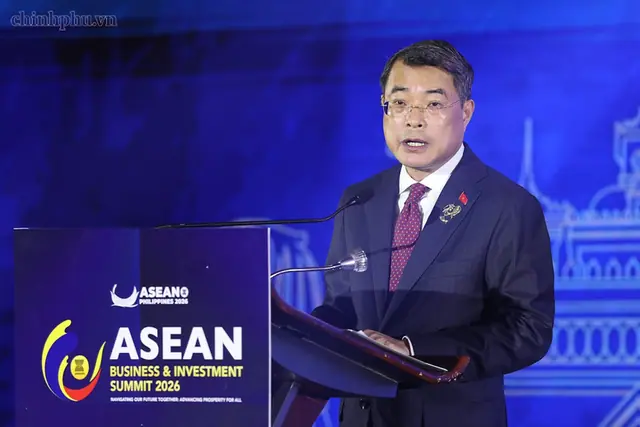
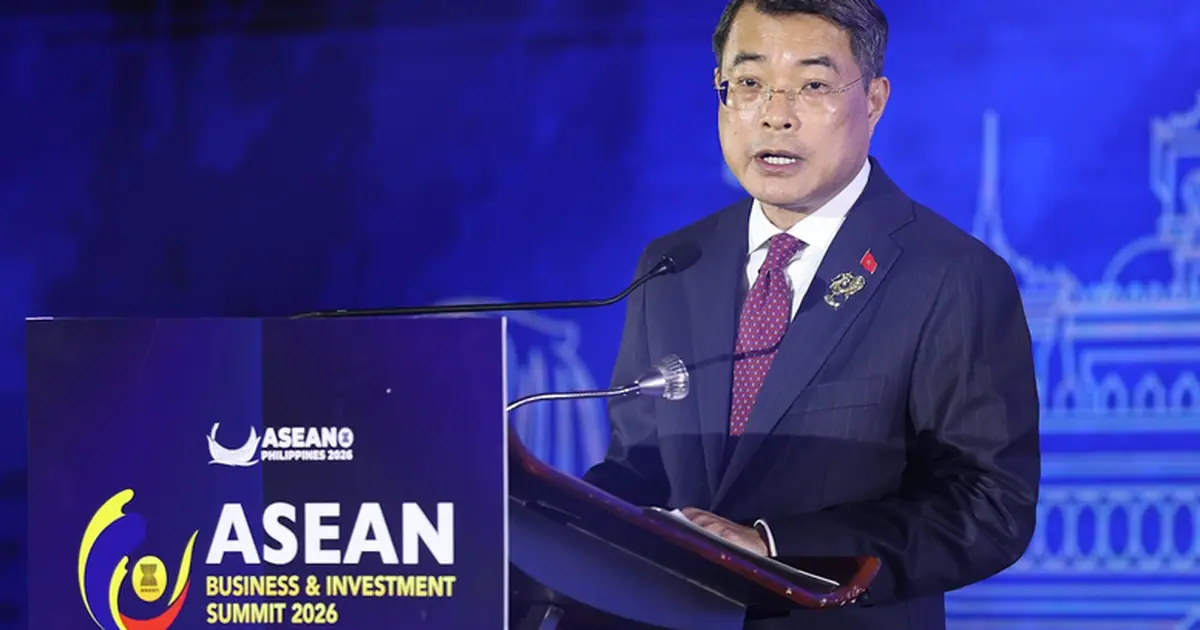
ABIS is a flagship annual event organized by the ASEAN Business Advisory Council (ASEAN-BAC). It is also the largest annual economic and trade event for the ASEAN business community, bringing together regional leaders, policymakers, businesses, investors and international organizations.
The event, held on the sidelines of the 49th ASEAN Summit on November 14–15, focuses on discussions of economic integration, trade and investment; energy and food security; industrial, infrastructure and creative economy development; digital transformation, artificial intelligence and the digital economy; inclusive growth; and human resource development.
It is expected to bring together more than 2,000 delegates, with speakers including approximately 10 world leaders and more than 40 global experts./.