
- Concerns over attacks by Yemen's Iran-backed Houthis on Saudi Arabia outweigh a higher crude supply in Middle East, driving oil prices higher.
- According to the Saudi aviation authority, Saudi Arabia's airports in Jazan and Najran were targeted in two attacks, as hostilities between Yemen's Iran-backed Houthis and the kingdom grow.
In this article
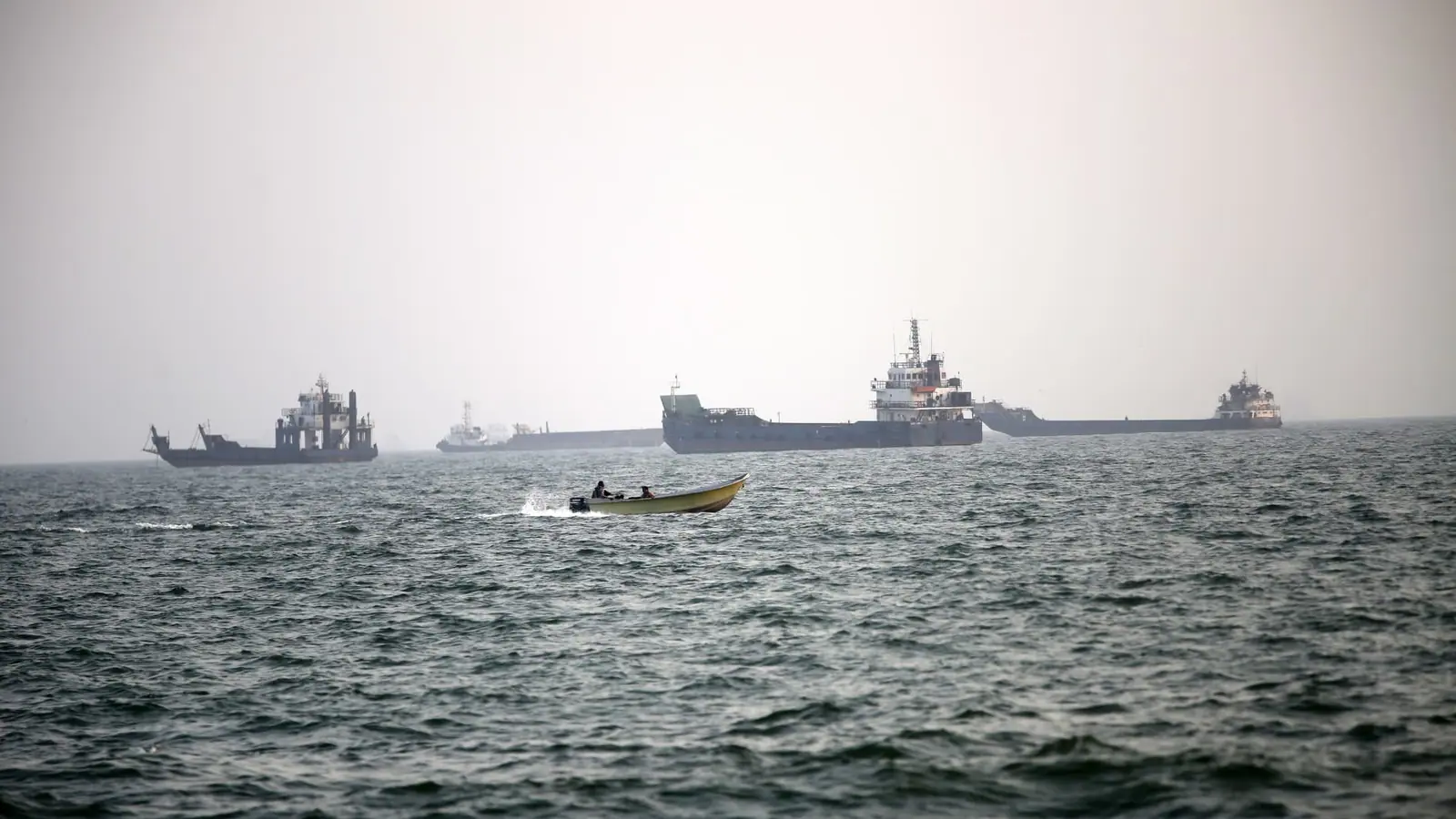
Follow your favorite stocksCREATE FREE ACCOUNTNumerous merchant ships belonging to Iran and other countries remain at anchor in the Strait of Hormuz in Bandar Abbas, Iran, on Sept. 8, 2026. Fatemeh Bahrami | Anadolu | Getty ImagesOil rose Wednesday as attacks by Yemen's Iran-backed Houthis on Saudi Arabia raised concerns over crude flows from the Middle East even as supplies have been recovering.
Futures for international benchmark Brent crude for December delivery gained 0.93% at $101.52 a barrel. U.S. West Texas Intermediate futures for November advanced 0.81% at $90.16 per barrel.
BrentOil pumped through the East-West Pipeline had reached 5.8 million barrels as of Tuesday morning, according to Saudi Energy Minister Prince Abdulaziz bin Salman.
However, concerns that there may be further supply disruptions in the Middle East weigh on sentiment. The Saudi aviation authority reportedly said Tuesday that the country's airports in Jazan and Najran were targeted in two attacks, amid growing hostilities between Yemen's Iran-backed Houthis and the kingdom.
Iran's move to step up attacks on tankers which are transiting through the Strait of Hormuz has also led to renewed worries over oil supplies among traders, as it threatens to disrupt the fragile rebound in oil exports through the crucial waterway.
wtiNaeem Aslam, chief investment officer of Zaye Capital Markets, said Tuesday that oil remains "caught between improving physical supply and persistent geopolitical risk."
"The sustained ability of the Houthis in Yemen to target oil facilities hundreds of kilometers from the border keeps the risks of a renewed large-scale crude supply disruption present and high, and these risks could worsen if the Houthis feel the need to apply more pressure as a result of losing more territory," said Samer Hasn, senior market analyst at forex trading platform XS.com.
Choose CNBC as your preferred source on Google and never miss a moment from the most trusted name in business news.