
Growing demand for warp knitted sportswear, technical textiles and composites will be among the themes at India ITME 2026.
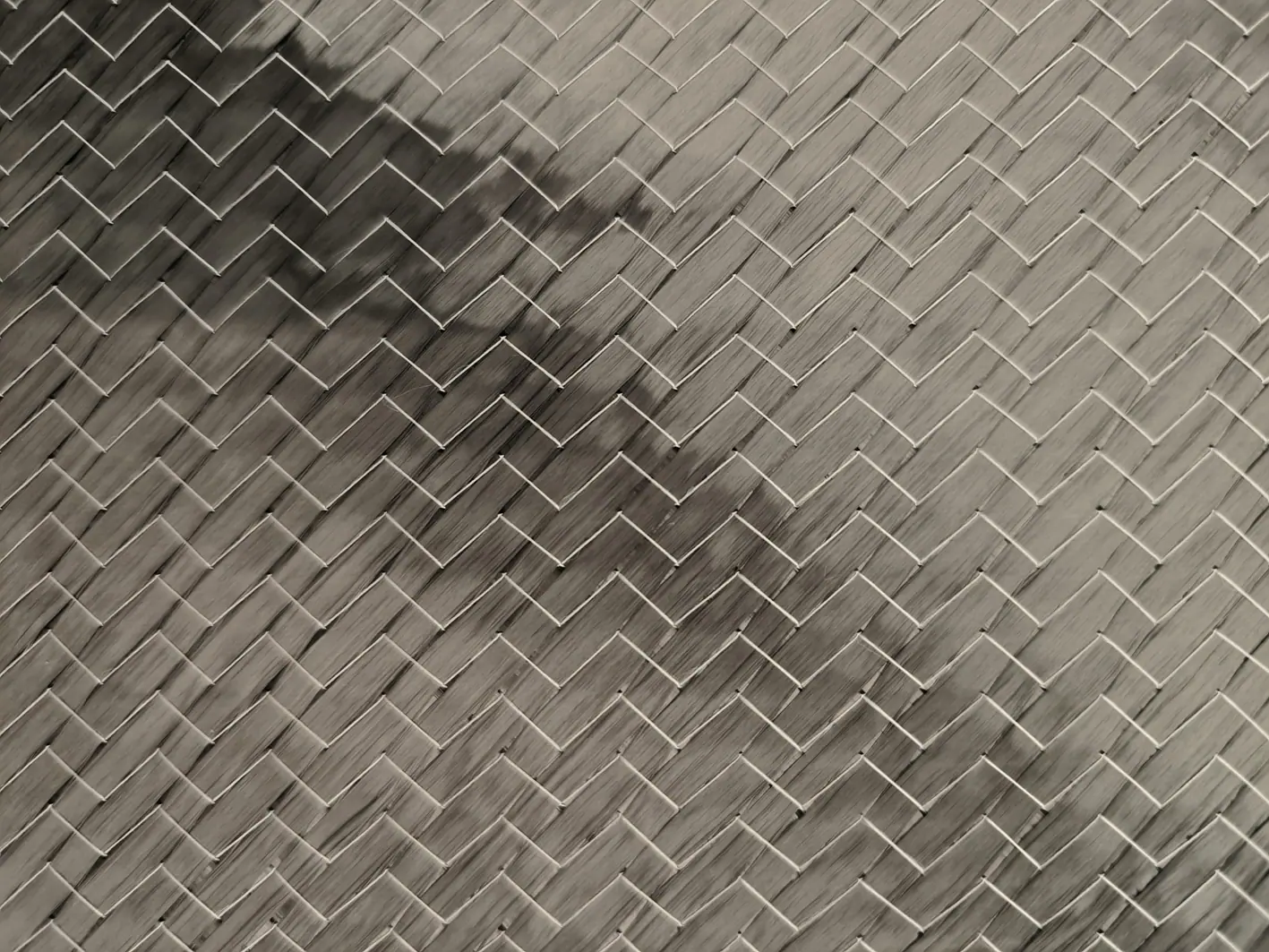
Karl Mayer multiaxial warp knit.
© Karl Mayer21st October 2026
Innovation in Textiles
| Obertshausen, Germany
Industrial, Clothing/Footwear
India’s drive to diversify its textile industry into higher-value products is creating new opportunities for warp knitting and technical textile machinery, according to German textile machinery manufacturer Karl Mayer.
At India ITME 2026, taking place in Greater Noida from December 4-9, the company will highlight developments in warp knitting, warp preparation and technical textiles, reflecting changing investment priorities among Indian manufacturers.
One notable trend is a growing interest in warp knitting technology from established circular knitters looking to diversify their production capabilities, particularly in athleisure, footwear and functional apparel.
“We’re seeing a great deal of interest in our technology from circular knitters,” says Mark Smith, deputy vice president of sales for Karl Mayer’s warp knitting business unit. “They recognise the advantages in terms of output and consistent quality and want to expand their product range to include warp knitted fabrics.”
Two- and three-bar tricot machines are among the company’s established bestsellers in India, while its latest developments include jacquard double needle bar raschel machines for producing patterned shoe uppers.
Recently introduced at ITMA Asia, the new raschel models offer greater design flexibility for footwear manufacturers. Karl Mayer will also present textile concepts covering four-way stretch fabrics, seamless body mapping and warp knitted constructions designed to resemble woven materials.
Beyond apparel, the company sees increasing opportunities in India’s expanding technical textiles sector, particularly in infrastructure, transport and renewable energy.
Demand for warp knitting machines with weft insertion is being supported by the use of geogrids in civil engineering applications such as slope stabilisation, while composite reinforcement fabrics are finding new applications in transportation.
Karl Mayer points to the growing use of composite components in India’s Vande Bharat Express trains as an example of the opportunities emerging in this sector.
The expansion of wind energy is another potential growth area, with multiaxial warp knitting machines used to produce reinforcement fabrics for turbine rotor blades.
In warp preparation, Karl Mayer will highlight its Prosize sizing and Warpdirect warping technologies, which can be combined with V-shaped creels for processing staple-fibre yarns.
The company says Prosize can reduce sizing agent consumption by up to 10%, while Warpdirect is designed to provide consistent winding density and minimise yarn waste.
An additional development for Indian customers is the expansion of Karl Mayer’s online spare parts shop to include commonly required wear parts for warp knitting machines. The extended service will be introduced at India ITME as part of the company’s efforts to improve access to replacement components.
Karl Mayer will present its technologies through digital machinery demonstrations and textile exhibits at stand 15G19 in Hall 15.
Smith will also participate in the show’s Textile Horizons conference, discussing robotics and automation in yarn and fabric formation.