
- Inflation has stayed at or above the BOK's 2% target for 13 months.
- Price growth in Asia's fourth-largest economy came in at 2.9% in September.
South Korea's central bank expectedly kept its policy rate steady at 3% on Thursday, after two straight hikes, with analysts pointing that it does not signal a change in policy stance as inflation stays elevated.
Economists polled by Reuters had forecast the Bank of Korea to hold rates, and the decision comes after President Lee Jae Myung reportedly called for an "all out effort" to boost housing supply.
The BOK in its statement said it opted to hold rates as it assesses the effects of the two prior rate hikes, and looks at "developments in both domestic and external risk factors," citing increasing uncertainties around the Middle East conflict and monetary and fiscal policies of major economies.
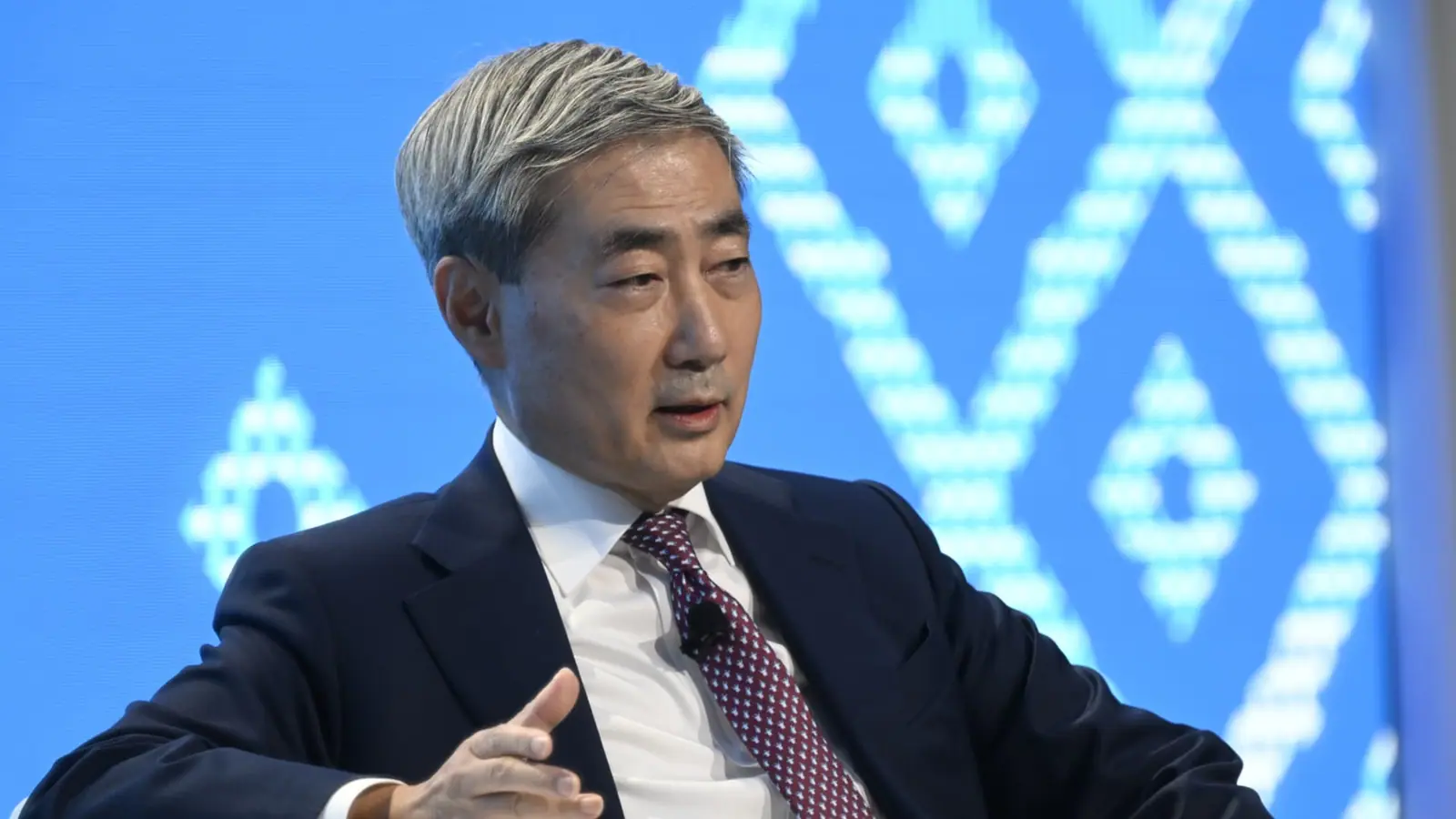
Last week, BOK Governor Shin Hyun Song said at the IMF-World Bank annual meetings that the central bank will keep monetary policy restrictive until it's confident that inflation was heading back to target. "Inflation has really picked up, both from the cost-push and the demand-pull," Shin said.
Inflation in Asia's fourth-largest economy came in at 2.9% in September, staying at or above the BOK's 2% target for 13 months.
As President Lee pushes for increasing the housing supply, the BOK on Thursday flagged that "housing-related loans continued to increase and the pace of increase in housing prices in Seoul and its surrounding areas accelerated again."
The Kospi was trading 1.23% lower, while the won strengthened marginally against the dollar to trade at 1,326.1.
Given a strong economy and persistent inflation, a pause does not mean the end of the tightening cycle, according to Gareth Leather, senior Asia economist at Capital Economics. Leather foresees one more hike at BOK's meeting next month.
South Korea's growth has been largely supported by exports of semiconductors as demand for chips to power the AI boom continues. Exports in September skyrocketed at a record 83.7% year on year, with semiconductor shipments surging 263% compared to the same period last year.
The IMF has projected the country's growth at 3.3% for the whole of 2026. GDP growth for the country came in at 3.8% and 3.7% for the first and second quarters respectively, both times beating expectations.
— CNBC's Anniek Bao contributed to this report.
Choose CNBC as your preferred source on Google and never miss a moment from the most trusted name in business news.