- Bidding for properties in June posted its strongest monthly improvement in a year, according to quarterly bidding and credit indexes released Tuesday from JLL.
- Specifically, investors are flooding into the retail and industrial sectors.
- The weakest sector for bidding and credit activity continues to be multifamily.
A version of this article first appeared in the CNBC Property Play newsletter with Diana Olick. Property Play covers new and evolving opportunities for the real estate investor, from individuals to venture capitalists, private equity funds, family offices, institutional investors and large public companies. Sign up to receive future editions, straight to your inbox.
Investors are flooding back into the commercial real estate market, powered by a steep rise in liquidity from sources across the finance spectrum. That's despite stubbornly high borrowing rates.
Bidding for properties in June posted its strongest monthly improvement in a year, according to quarterly bidding and credit indexes released Tuesday from JLL. Also, July saw the second highest count of unique bidders in the index's five-year history. Competition among lenders is also well above previous record highs, according to JLL.
"An interesting finding with the most recent data in this index is the lessening divergence between the credit intensity index and bid intensity index," said Lauro Ferroni, JLL's head of capital markets research for the Americas. "We've actually found that the credit intensity index is a leading indicator for the bid intensity index, because credit availability sets the tone for liquidity."
Even though macro uncertainty and volatility continue to show up in the broader economy, bidding keeps rising. Ferroni said that's likely because the weight of active capital in the market is counteracting and potentially working as a stronger force than that ongoing volatility.
Credit is now flowing more freely from commercial mortgage-backed securities, insurance companies, government agencies and debt funds. This was not the case in the first few years following the pandemic, thanks to distress in several CRE sectors and then higher interest rates starting in 2022.
"It's because they like real estate. They want to increase their real estate books. In some cases, they can generate more of a yield there," Ferroni said. "They've seen how the sector has played out. There was not a big wave of distress or defaults or anything like that. So they're coming back into the sector."
CNBC's Property Play with Diana Olick covers new and evolving opportunities for the real estate investor, delivered weekly to your inbox.
Specifically, investors are flooding into retail and industrial. Retail is a newer phenomenon, as it had been one of the worst performing sectors due to the growth of e-commerce during the pandemic. Retail is getting more competitive because owners like the returns they're getting and therefore have no interest in selling, according to JLL.
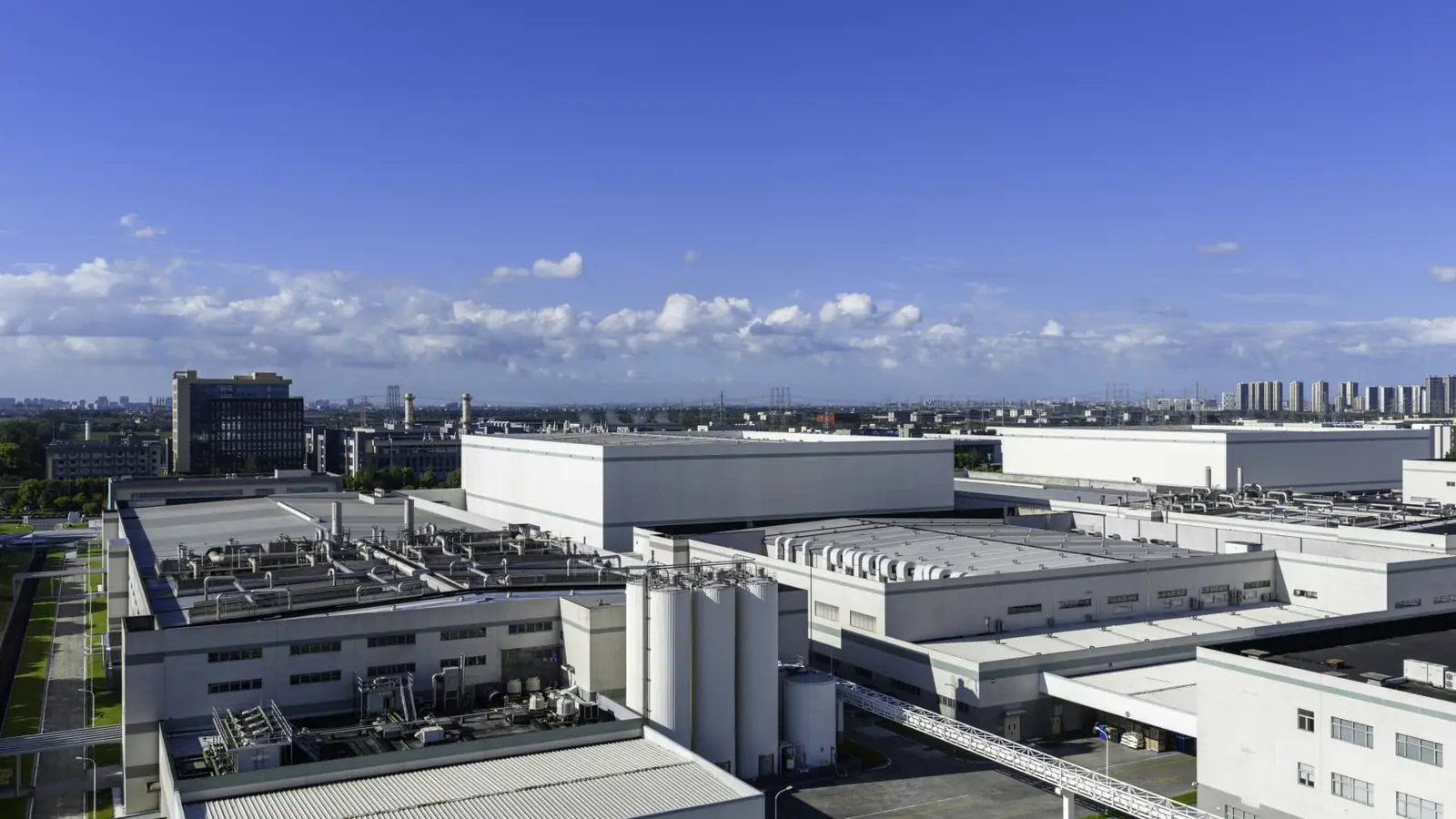
Industrial has already been strong for several years, due to the explosion of e-commerce, but also because of recent reshoring and reindustrialization. Companies are moving or expanding manufacturing closer to the U.S. to shorten lead times, reduce supply-chain risk and, in some cases, reduce tariff exposure, according to a midyear report from CBRE. The report shows manufacturing leasing was up 27% year over year.
The weakest sector for bidding and credit activity continues to be multifamily. The sector is still working its way through a historic supply of new construction. Vacancies are finally falling nationally, but that is largely driven by new properties. Stabilized vacancies, which strip out properties still in lease-up, were up 34 basis points in the second quarter of this year, according to CoStar.
Ferroni said he doesn't see any major warning signs for competition in overall CRE. The U.S. Treasury Department's move last week to buy long-term bonds could help those currently underwriting property transactions. It also boosts confidence among investors that they can be more competitive in their bidding.
"There's quite a bit of gas left in the tank for further growth, and we think it'll be gradual, not explosive momentum," Ferroni said. "It doesn't appear to be frothy at all."
Correction: This story has been revised to reflect that bidding for properties in June posted its strongest monthly improvement in a year, according to JLL. A previous version misstated the time frame.
Choose CNBC as your preferred source on Google and never miss a moment from the most trusted name in business news.New York unseats San Francisco as the top market for tech talent, CBRE reportsWhere commercial real estate demand is the highest, according to new dataHousing investors say this is their worst market in at least 3 yearsRead More