
Moneywise and Yahoo Finance LLC may earn commission or revenue through links in the content below.
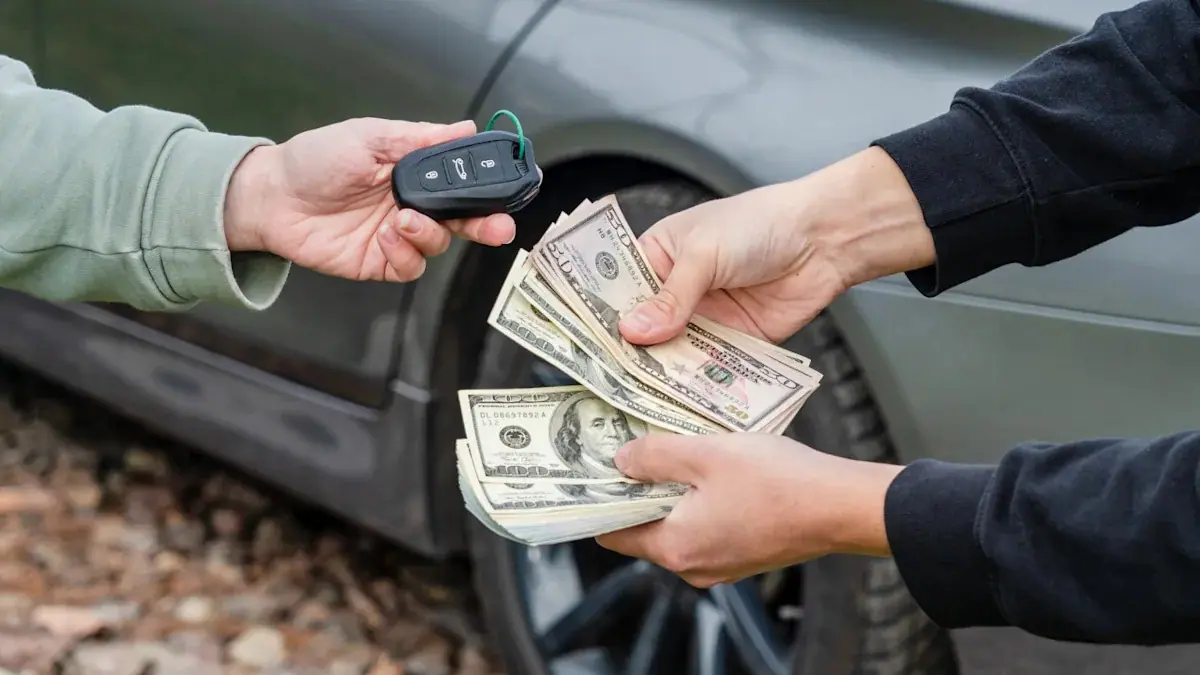
Skipping auto financing completely seems like a "financial flex" that many Americans are happy to indulge in. Roughly 1 in 5 baby boomers or older, in fact, pay cash for their car purchases, according to a CDK Global survey (1) — and that ratio rises to nearly 5 out of 10 Gen Z car buyers.
Simply put, car loans seem to be less fashionable among younger Americans.
Top Picks
Jeff Bezos backs a platform that lets anyone invest in rental homes for as little as $100 — 6 ways to build wealth like a landlord without actually being one
A single line on your car insurance policy could be inflating your premium by up to 30% — here's what to change
A record 45% of central banks plan to grow gold reserves — and many investors are following suit. Get your free gold IRA guide from Priority Gold
On paper, this might seem like a smart move. Auto loan rates for super-prime borrowers were roughly 4.55% and 6.30% for new and used cars, respectively, per Experian's Q1 2026 State of the Automotive Finance Market report (2). So, looking at those rates, skipping the loan agreement might feel like an instant, guaranteed return on investment.
But the move could be costing you thousands of dollars over the long run. Here's why.
Depreciation and opportunity costs
As of May 2026, a typical new car sold for roughly $49,220, according to Kelley Blue Book (3). Paying that in cash is a big up-front commitment. And unlike stocks or real estate, new cars rapidly shed value. In fact, a new car can be expected to lose roughly 30% of its value in the first two years alone, according to Kelley Blue Book (4). Beyond that point, it continues to depreciate at an annual pace of 8% to 12%.
In other words, you're on track to lose tens of thousands of dollars in just the first few years of ownership. This depreciation cannot be fully avoided — but financing a portion of the purchase at 4% to 6% can offset some of the exposure.
Meanwhile, the cash you save by financing can potentially earn a higher return in other assets. The S&P 500, for instance, has delivered a roughly 10% annualized return since 1957, according to Fidelity (5).
This is the potential opportunity cost of paying for a car in cash instead of borrowing at a reasonable interest rate.
The case for financing
Paying cash for a car can feel like the financially savvy move. After all, you avoid interest charges and skip another monthly payment. But for boomers with a healthy nest egg, putting $50,000 or more into a depreciating vehicle all at once can also mean giving up access to cash that could be doing more useful work elsewhere.
Story Continues