
Markets can forgive a company a lot when investors can see a path to growth. GameStop (GME) has spent years searching for that path, moving from video-game retailer to meme-stock phenomenon and now to a company increasingly built around collectibles. The latest numbers suggest the strategy may be working operationally. But a better business does not automatically make a better stock.
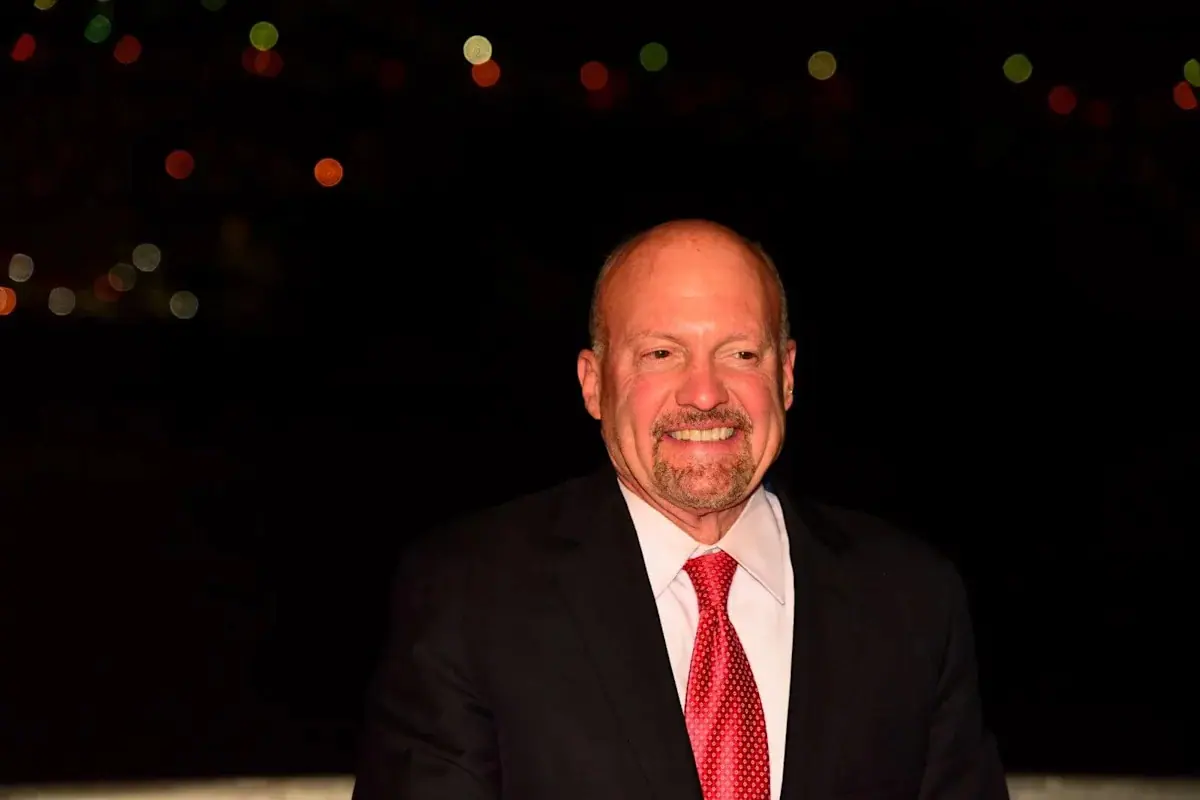
GameStop touched a two-year intraday low of $17.79 on Aug. 20. By Sept. 17, it had closed at $22.77, a 28% gain from that low. The rally comes as Jim Cramer says the turnaround is finally taking hold.
More News from Barchart
That may be true. The bigger question for investors is what they are actually buying.
GameStop Is Becoming a Collectibles Company
Let's start with the good news. GameStop's latest transformation is showing up in the income statement.
In its fiscal second quarter ended Aug. 1, collectibles revenue jumped 57% year-over-year (YoY) to $356.3 million, representing 45.1% of total sales. Video-game revenue, meanwhile, fell 47% to $263.2 million.
The shift is unmistakable. GameStop still sells video games and pre-owned products while maintaining a small Bitcoin (BTCUSD) position, but collectibles are increasingly the centerpiece. The company generated $160.2 million of operating income in the quarter, up from $66.4 million a year earlier, and raised its fiscal 2026 adjusted EBITDA forecast to more than $650 million.
The collectibles market is large—Grand View Research estimates it will reach $335.7 billion globally in 2026 and $535.5 billion by 2033—but GameStop is hardly alone.
eBay (EBAY) operates a massive secondary marketplace, while Target (TGT) says its trading-card business was on track to exceed $1 billion in 2025. The Pokémon Company sells collectibles and trading cards directly through Pokémon Center, while Hasbro (HAS) uses its Wizards of the Coast business and its Secret Lair store to sell premium Magic: The Gathering products directly to fans. That's a pretty crowded field, one populated with bigger, healthier, and better-financed businesses.