Power technologies are usually compared by asking how much their electricity costs. That is no longer enough.
Electricity demand is accelerating, driven by data centers, electrification, new factories and cooling. The International Energy Agency expects global data-center consumption alone to more than double to around 945 TWh by 2030—slightly more than Japan consumes today.
A power plant that is cheap in 2035 cannot supply a data center that wants to connect in 2028. As demand begins arriving faster than conventional generating capacity, time-to-power is becoming almost as important as levelized cost.
This creates an advantage for renewables that conventional comparisons routinely miss.
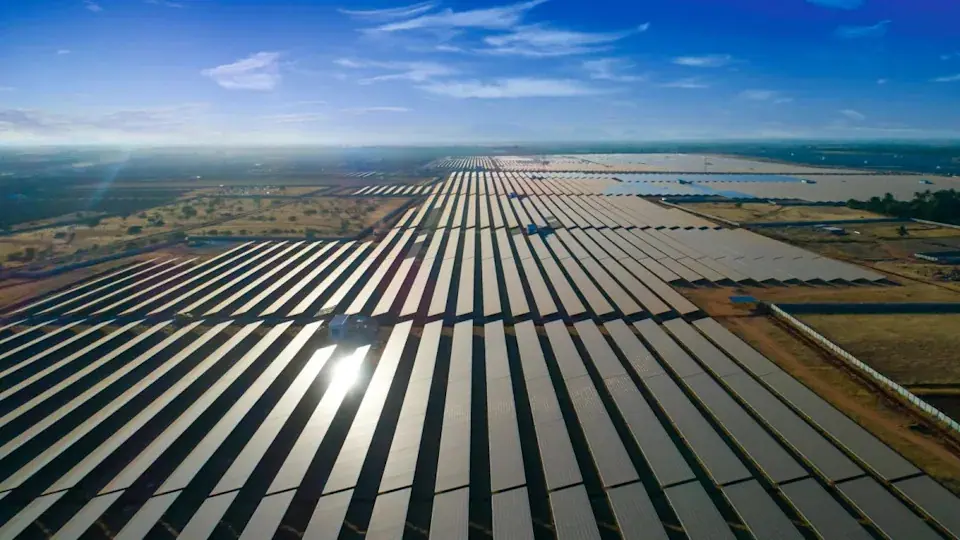
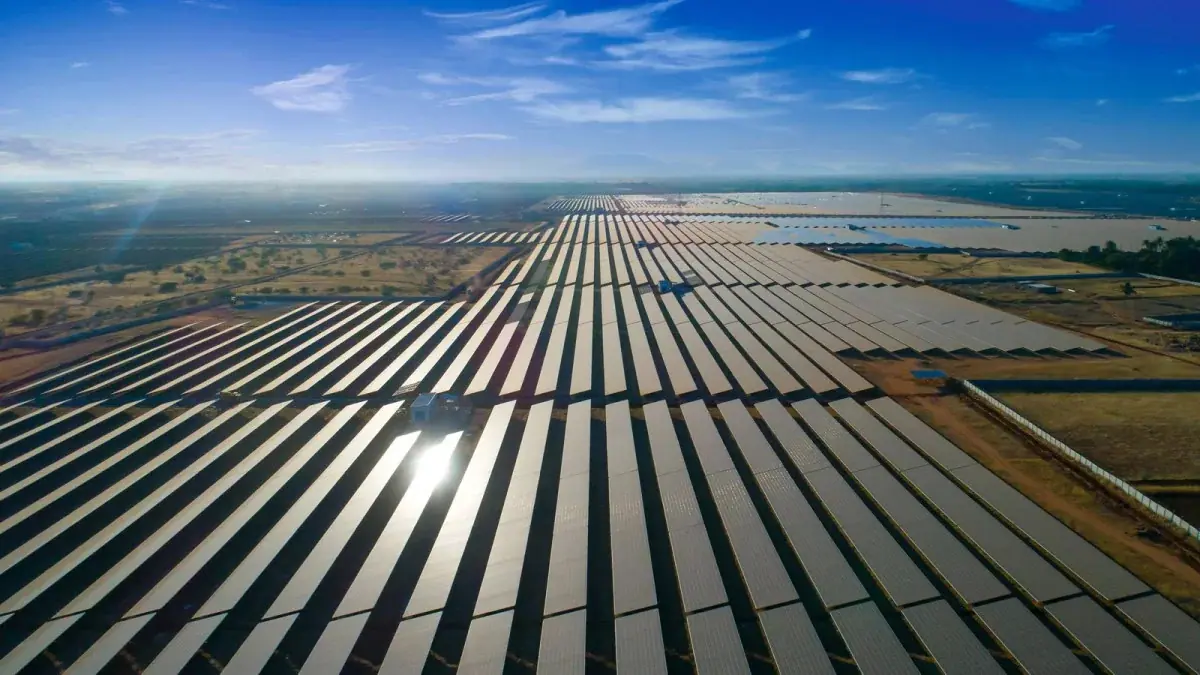
Solar and wind are not only increasingly cheap. They are modular, repeatable and unusually fast to build. In an electricity system suddenly short of both power and time, that may matter more than any cost forecast.
Solar Can Arrive Before the Forecast Changes Again
Lazard's 2025 cost assumptions put the construction period for utility-scale solar at around 15 months, onshore wind at 18 months and offshore wind at 24 months. Distributed rooftop solar can be installed in days once approvals and equipment are available.
The equivalent assumptions are approximately two years for a new combined-cycle gas plant, five to five-and-a-half years for coal and seven years for nuclear. Full project development, including planning and permitting, can be much longer for every technology.
These are not hard limits. A badly permitted solar farm can spend years in development, while standardized gas plants can sometimes move faster. China has also built coal and nuclear plants faster than Western economies generally manage.
But renewables have a structural advantage: they consist of thousands of manufactured units that can be installed in parallel. A solar farm does not require one enormous reactor pressure vessel, boiler or turbine around which the entire project schedule revolves. Capacity can be added in phases, and the first part can begin generating before the whole development is complete.
That changes investment risk as well as construction speed.
A project that starts producing after 18 months generates revenue while a slower alternative is still consuming capital. Shorter construction reduces exposure to interest rates, inflation, regulatory changes and cost overruns. If demand forecasts change, a modular project can be resized or stopped between phases. A half-built nuclear or coal plant offers no comparable flexibility. Speed is therefore not merely an engineering characteristic. It is a financial advantage.
Story Continues