
Oil advanced while US equity-index futures and Treasuries slipped after President Donald Trump rejected Iran’s latest proposal to reopen the Strait of Hormuz, reigniting Middle East tensions that have roiled bond markets.
Brent crude climbed 1.5% to about $105.90 a barrel as Iran stuck to a seven-day proposal for reopening the Strait of Hormuz. The rise in oil added to inflation concerns, pushing the 10-year Treasury yield four basis points higher to 5.20% in Asian trading. A Bloomberg gauge of the dollar rose against most major currencies, while the yen weakened.
Read more: Emerging market investors shun riskiest bonds as US yields soar
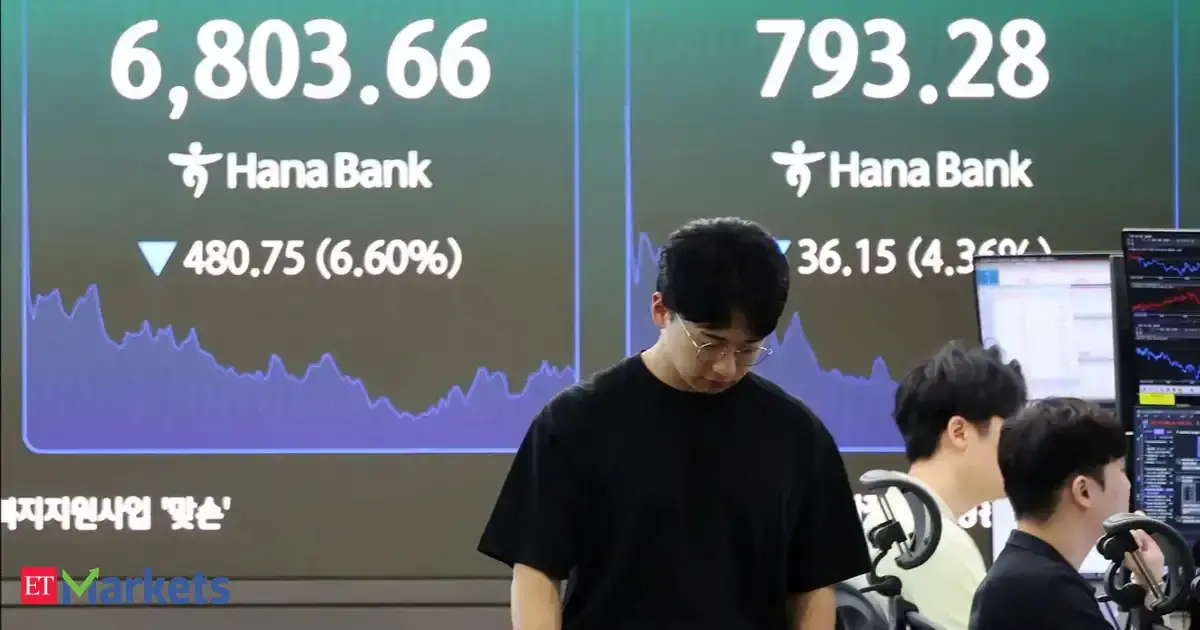
MSCI’s gauge of Asian stocks opened slightly lower with South Korea’s benchmark slipping as markets returned from a holiday, while Japanese stocks edged higher. Futures for the S&P 500 Index fell around 0.2%.
Gold slipped 0.5% to about $4,260 an ounce, as oil’s advance stoked inflation concerns.
The pound was weaker against the dollar as UK police investigated a potential terrorism incident after five men were arrested near an air base used in US strikes on Iran. Trump said the suspects were “looking to do big damage” to the facility.
Oil remains a key driver for markets as elevated energy costs add to inflation pressures and bolster expectations for further rate increases. Last week, the average yield on a gauge of global bonds climbed above 4% for the first time since 2007, raising concerns that higher borrowing costs may eventually weigh on the economy and on company earnings.
“Geopolitical developments over the weekend are likely to keep volatility elevated across global markets,” Nick Twidale, chief market analyst at AT Global Markets, wrote in a note to clients.
Iran stuck to its proposal to reopen the crucial Strait of Hormuz within seven days, saying it won’t soften its conditions. Trump said he expects negotiations to resume this week despite rejecting Tehran’s latest offer, Axios reported. He also said he’s thinking “very seriously” about a ban on diesel exports.
Several Federal Reserve officials have pointed to resilient economic growth and a strong labor market as reasons further tightening may be needed. Cleveland Fed President Beth Hammack said those factors, along with concerns about government debt, are helping drive long-term Treasury yields higher.
Traders are fully pricing at least one more 25 basis-point hike before year-end.
Treasury Secretary Scott Bessent struck a more dovish tone, saying policymakers should keep an “open mind” on rates as productivity gains from artificial intelligence and deregulation may help contain inflation.
Volatility may persist this week, with the Fed’s preferred inflation gauge and US jobs reports set to shape expectations for at least one more rate increase this year, following the central bank’s first hike since 2023 earlier this month.
Add as a Reliable and Trusted News Source Add Now!
(You can now subscribe to our ETMarkets WhatsApp channel)
Global Market Today: Asian shares subdued as rising oil fuels rate hike concerns
MSCIs gauge of Asian stocks opened slightly lower with South Koreas benchmark slipping as markets returned from a holiday, while Japanese stocks edged higher. Futures for the S&P 500 Index fell around 0.2%.
- Published by
- The Economic Times
- Published
- Length
- 473 words · 2 min
Where this came from
This story was reported and first published by The Economic Times on 27 September 2026. HUE Legacy Ventures did not write it.
Carried in full with attribution and a link to the original. Rights remain with the publisher, who may request removal at any time.