Micron Q4 Earnings: AI Memory Boom Faces Its Next Test
Micron Technology is heading into its September 30 fiscal fourth-quarter results with expectations running high. AI-driven demand for memory remains strong, while tight DRAM and HBM supply has supported pricing and margins. Investors will be watching not only the Q4 numbers but also Micron’s outlook for fiscal 2027. (Source: Barchart, Yahoo Finance, Micron Investor Relations)
$50 Billion Revenue Target in Focus
Micron’s own Q4 guidance points to another record quarter, with revenue expected at around $50 billion, plus or minus $1 billion. The company has guided for non-GAAP earnings per share of about $31, plus or minus $1, with a non-GAAP gross margin of approximately 86%. The company generated $41.45 billion in revenue in Q3, creating a substantially higher base heading into Q4.
DRAM Supply Tightness Is Driving Pricing
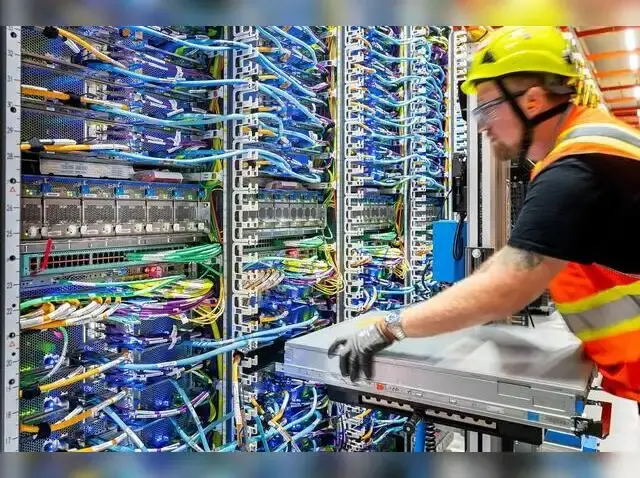
A supply-demand imbalance in memory is giving manufacturers greater pricing power. AI data centers are consuming increasing amounts of DRAM, while HBM production is also absorbing significant wafer capacity. With industry supply struggling to keep pace with demand, higher average selling prices could continue supporting Micron’s revenue and profitability.
HBM: The AI Memory Engine
High Bandwidth Memory has become an increasingly important component of the global AI infrastructure buildout. Micron is already shipping HBM4 for a lead customer platform and is developing HBM4E, with volume production expected in 2027. Strong spending on AI infrastructure is helping underpin demand for high-performance memory products.
What Wall Street Will Watch
For investors, the September 30 earnings report could be as much about the future as the quarter that has just ended. Market attention is likely to focus on fiscal 2027 first-quarter guidance, DRAM pricing, HBM4 demand, NAND and enterprise SSD trends, capital expenditure and Micron’s assessment of how long current supply constraints can persist.
The Bigger Picture: Can the Memory Upcycle Last?
Micron enters Q4 amid powerful AI-related memory demand, but expectations have also risen significantly. The company’s outlook depends on a combination of tight supply, rising memory prices, AI infrastructure spending and strong margins. The earnings report will provide investors with a fresh indication of whether these conditions can continue through fiscal 2027 and beyond.
(Disclaimer: Recommendations, suggestions, views and opinions given by the experts are their own. These do not represent the views of The Economic Times)