
- The U.S. and Iran are reportedly talking separately to mediators as part of renewed efforts to end the conflict, with regional mediators pushing for ceasefire negotiations.
- Concerns over energy infrastructure and flows in the region continue to linger due to tensions between Saudi Arabia and the Houthis.
In this article
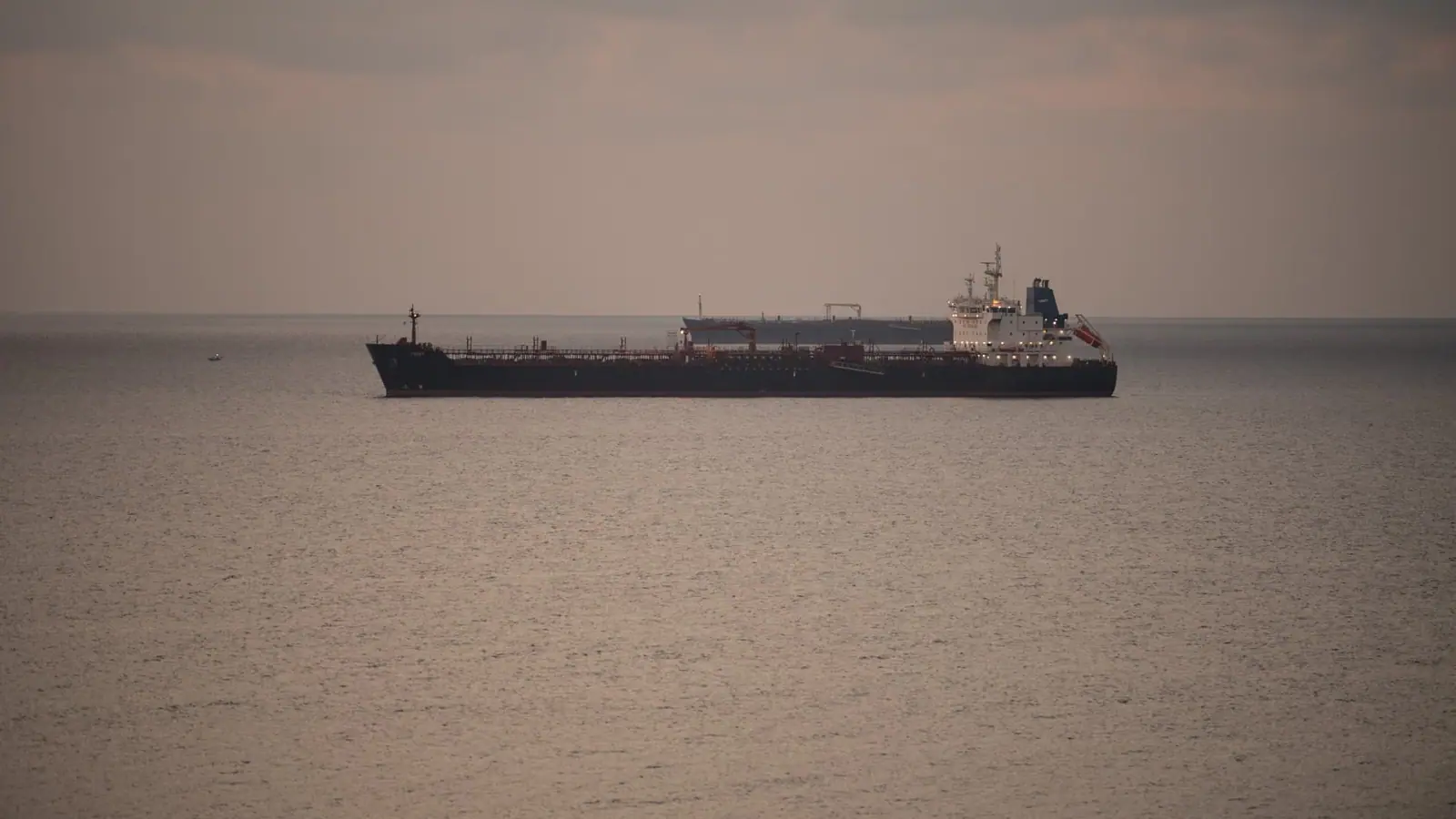
Follow your favorite stocksCREATE FREE ACCOUNTA view of a tanker ship at the Banyas Oil Terminal in Tartus, Syria on September 13, 2026.Hasan Belal | Anadolu | Getty ImagesOil rose Tuesday, extending gains for a second day, as worries over the Mideast conflict continuing for longer take hold, even as efforts to reduce tensions are reportedly underway.
Futures for international benchmark Brent crude for November delivery gained 1.22% to $106.56 a barrel. U.S. West Texas Intermediate futures advanced over 1% to $93.57 per barrel.
brentThe U.S. and Iran are talking separately to mediators as part of renewed efforts to end the conflict. Citing Iranian Foreign Minister Abbas Araghchi, Al Jazeera reported that Tehran held indirect talks with the U.S. via Qatari mediators in New York.
Progress in talks will be a main focus for markets, as regional mediators push for ceasefire negotiations, said Mahmoud Mashal, senior market analyst of VT Markets Dubai, adding that any meaningful progress could drive crude lower.
That said, concerns over energy infrastructure and flows in the region continue to linger due to renewed tensions between Saudi Arabia and the Houthis, Mashal said.
WTIThe Strait of Hormuz, a crucial waterway that saw 20% of the world's oil supply transit through it prior to the war, remains closely watched.
Trump on Saturday had rejected Tehran's conditional proposal for reopening the strait, telling aides that he expects to resume bombing Iran following the midterm elections in November.
Choose CNBC as your preferred source on Google and never miss a moment from the most trusted name in business news.