Proposed government-backed network body welcomed by some in sector but others call it just another quango
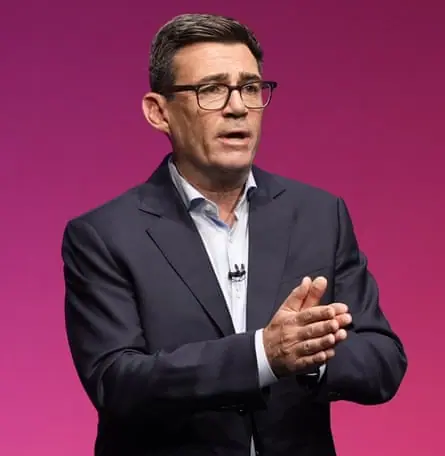
Andy Burnham’s first address to the Labour party conference as prime minister addressed Britain’s rising energy costs and sluggish economic growth with plans for a new government-backed body to invest in the electricity grid.
The proposals to set up Great British Grid, first revealed by the Guardian, build on the party’s manifesto pledge to create Great British Energy, a state-owned company to invest in renewables.
However, GB Grid faces a tougher challenge: lowering bills and supercharging the economy through public investment in the electricity network.
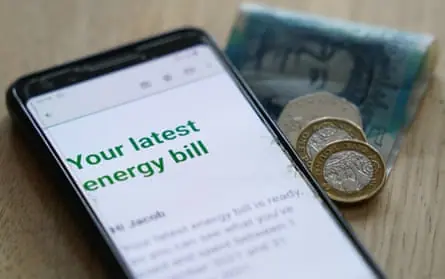
“We have a cost crisis. We all know it,” Burnham argues. “The price of energy is crippling for businesses, and British bill payers pay some of the highest energy costs in Europe.
“We have an energy system where prices are dictated in markets miles away, while families and businesses here shoulder the costs. Once again, the British public has lost control.”
Few would disagree with the diagnosis – but is direct government investment in grids the remedy Britain needs?
Explore more on these topicsShareReuse this content