
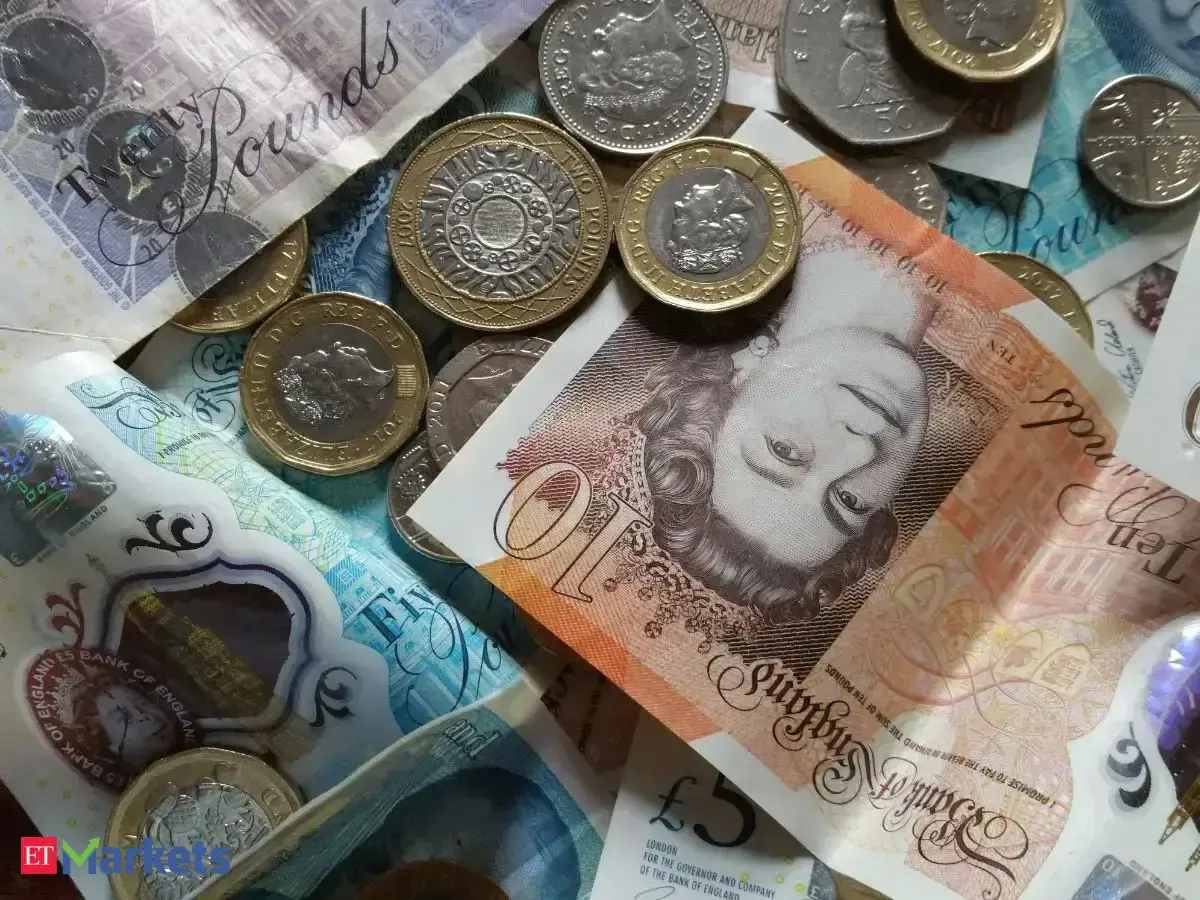
The pound fell on Thursday to its lowest in three months against the dollar, as another wave of worry about high rates, oil prices and persistent inflation rattled European markets.
Sterling fell by as much as 0.5% on the day to a low of $1.3193, breaking the $1.32 mark for the first time since late June. It was last down 0.3% at $1.3225.
Investors are fretting about the long-term impact of oil above $100 a barrel from a protracted Middle East war, along with the higher borrowing costs and inflation that might follow.
Markets of those countries more exposed to imported energy, whose finances are already under strain, were hit hard. The FTSE 100 fell as much as 2% before unwinding some of those losses, as British 30-year gilt yields topped 6% for the first time since early 1998, with just four weeks to go until the Autumn Budget.
"Prime Minister Andy Burnham and Chancellor John Healey already have enough on their plate without a rapid increase in government borrowing costs since they took office. Gilt yields moving at such a pace presents a major challenge for their spending and borrowing plans," AJ Bell investment director Russ Mould said.
In his maiden speech as prime minister at his Labour Party's annual conference earlier this week, Burnham said he would make changes to pensions to fund universal social care, something that could add to Britain's already strained finances.
He also said he would welcome debate on the UK moving closer to Europe again, something that many said they see as a potential step towards rejoining the European Union.
"Any move by the UK to rejoin the EU would likely be seen as a positive by the foreign exchange market, having witnessed sterling's crash following the Brexit vote in 2016. Obviously, we are years away from any clarity here, but let's see whether sterling catches a bid into a supposed UK-EU summit due around 20 November," ING strategist Chris Turner said.
Add as a Reliable and Trusted News Source Add Now!
(You can now subscribe to our ETMarkets WhatsApp channel)
UK pound falls to three-month lows as investors fret over rates, oil
The pound has hit a three-month low against the dollar, triggered by mounting economic apprehensions. Investors are anxious about the effects of soaring oil prices and persistent inflation on market stability. The FTSE 100 index has notably declined, reflecting burdens in government borrowing. Prime Minister Andy Burnham and Chancellor John Healey confront escalating gilt yields.
- Published by
- The Economic Times
- Published
- Length
- 336 words · 2 min
Where this came from
This story was reported and first published by The Economic Times on 1 October 2026. HUE Legacy Ventures did not write it.
Carried in full with attribution and a link to the original. Rights remain with the publisher, who may request removal at any time.