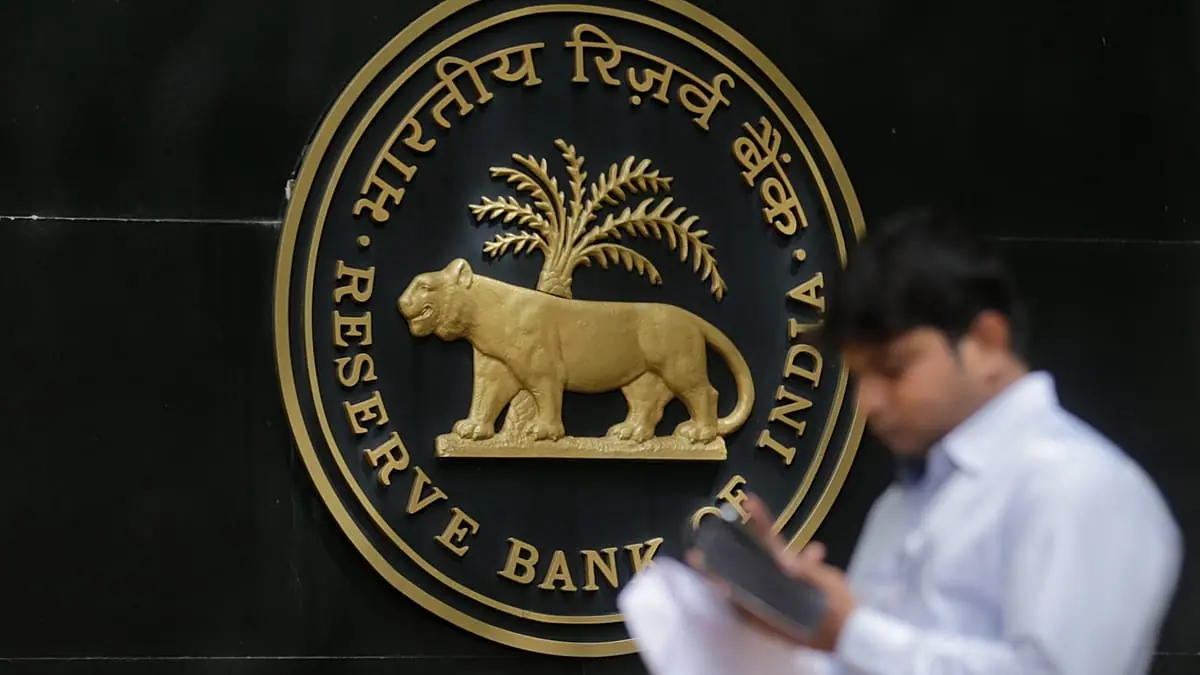
The Reserve Bank of India raised borrowing costs for the first time in over three years on Wednesday, as the Middle East war pushes up prices in Asia's third-biggest economy and weighs on an already fragile rupee.
India's central bank has switched to tightening, delivering a quarter-percentage-point increase as the fallout from the Iran war lifts prices and drags on the national currency.
ADVERTISEMENTADVERTISEMENTThe Reserve Bank of India (RBI) lifted its benchmark repo rate, the rate it charges commercial banks for loans, by 25 basis points to 5.50%, with all six members of its monetary policy committee voting in favour.
The move puts India alongside several other central banks that have tightened policy to rein in inflation or prop up their currencies.
The RBI had kept rates on hold since the war erupted in February, as it gauged how swings in oil prices would affect the fastest-growing of the world's biggest economies.
Robust economic growth in the last quarter gave policymakers room to turn their attention to rising prices in a country that relies on imports for the bulk of its energy, and where a poor monsoon threatens to push up food costs.
Consumer price inflation climbed to 4.82% in August, exceeding the central bank's medium-term target of 4% for a third month in a row, and the data suggested price pressures were no longer confined to food and transport.
The RBI is also contending with a sliding rupee, which has hovered close to all-time lows in recent days.
To support the currency, it has introduced a series of measures to attract US dollars, among them a deposit scheme aimed at Indians living abroad that drew in about $127 billion (€113bn).
Those efforts halted the rupee's slide for a time, but it has come under renewed strain as overseas investors keep selling Indian shares and oil prices hover near $100 per barrel.
As the world's third-biggest oil importer, India usually gets around half of its crude via the Strait of Hormuz, a route that has been all but shut since the conflict began.
That leaves India among the economies most exposed to a worldwide energy shock, analysts say, with costlier crude and fertiliser inflating its import bill.
Go to accessibility shortcuts