
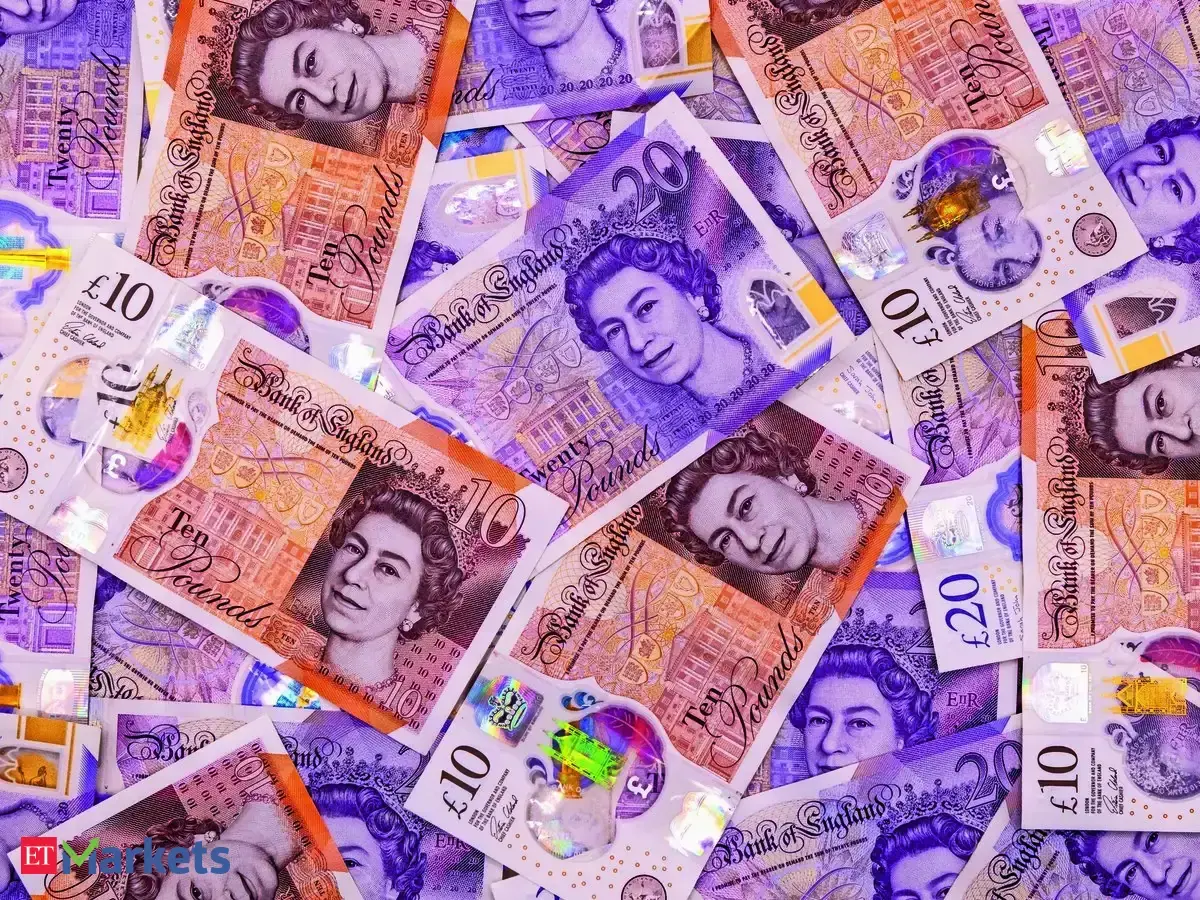
London: Barn owls, bumblebees, puffins and hedgehogs will feature on new Bank of England (BoE) banknotes over the coming years, replacing World War Two leader Winston Churchill and other historic figures, the Bank of England said on Thursday.
The BoE's March decision in March to no longer feature famous Britons on future banknotes, in favour of native wildlife, dismayed politicians across the political spectrum and prompted speculation that the central bank wanted to avoid controversies surrounding historic figures.
The BoE said the change would make its banknotes more distinctive and harder to counterfeit, and that it followed a public consultation where people had been invited to choose among different categories of images.
Almost 500,000 people voted on a selection of 18 animals released by the central bank in June.
The buff-tailed bumblebee was the most popular creature on the shortlist, followed by the barn owl and the European hedgehog. Red foxes and common kingfishers received more votes than the Atlantic puffin, which the BoE selected to ensure a marine animal was included on the list.
Read more: Global Market Today: Asian stocks drop on tech jitters, oil edges lower
"I am delighted that nearly half a million people responded to our wildlife imagery consultation, showing that cash still matters," said BoE chief cashier Victoria Cleland.
Cash usage has fallen steeply in Britain in recent years, accelerated by the COVID-19 pandemic, which led to almost all retailers accepting contactless card and smartphone payments.
Read more: Rates, inflation and AI emerge as key risks for global growth: Deutsche Bank Survey
Under 10% of payments were made in cash in 2024, but trade body UK Finance said it expected the decline to level off, as a small percentage of Britons strongly preferred to use cash.
Add as a Reliable and Trusted News Source Add Now!
(You can now subscribe to our ETMarkets WhatsApp channel)
BoE to put barn owls, bees on future notes
The Bank of England is embracing a new approach by swapping out renowned Britons on banknotes for images of local wildlife like barn owls, bumblebees, and hedgehogs. This initiative follows a public consultation with around 500,000 participants voting on animal preferences. Despite a decline in cash transactions amid the COVID-19 pandemic, some Britons are eager for a return to cash usage…
- Published by
- The Economic Times
- Published
- Length
- 307 words · 1 min
Where this came from
This story was reported and first published by The Economic Times on 8 October 2026. HUE Legacy Ventures did not write it.
Carried in full with attribution and a link to the original. Rights remain with the publisher, who may request removal at any time.