Nearly 4,000 jobs in Britain’s casino sector could be at risk if the Chancellor goes ahead with a speculated doubling of taxes on gaming machines in the upcoming Budget, a report has warned.
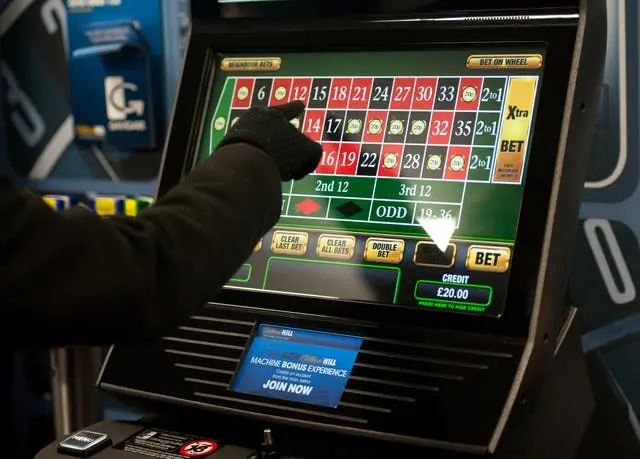
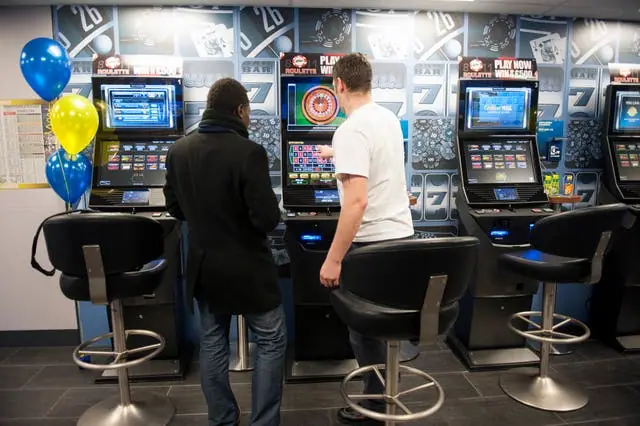
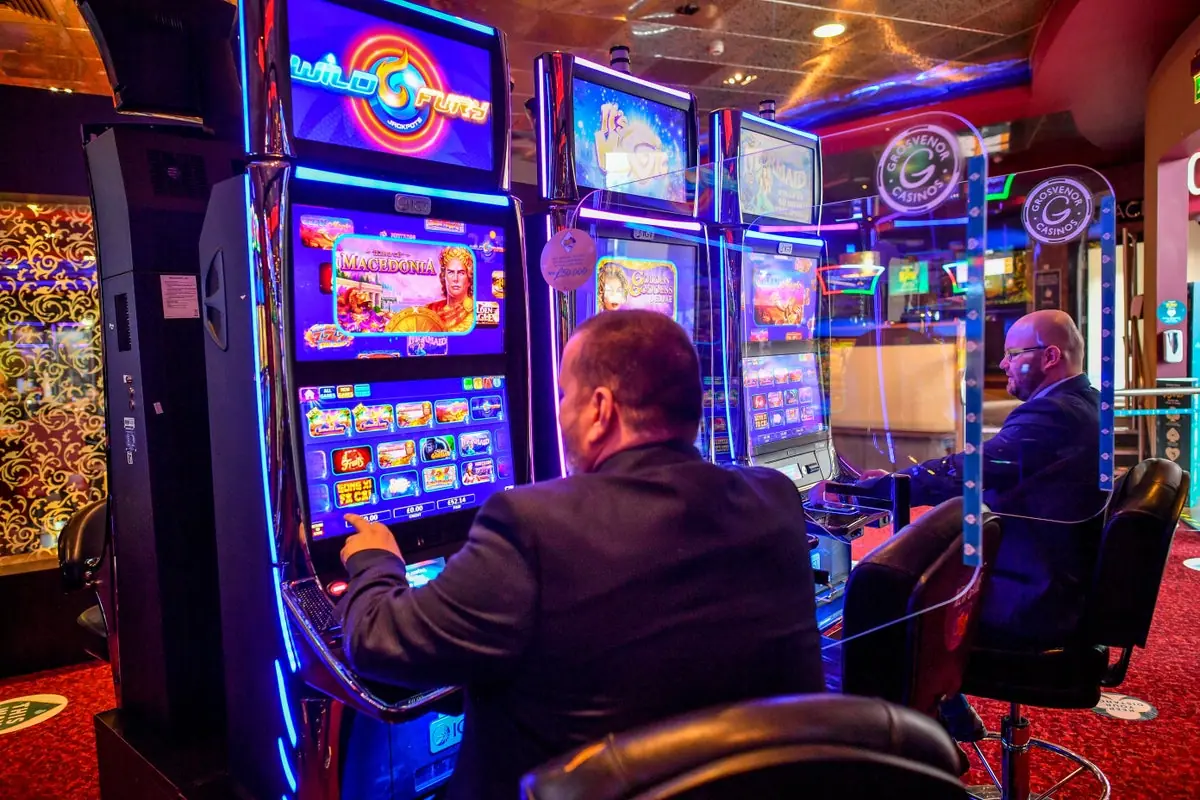
The Government is reportedly considering an increase in the rate of machine games duty, which is the tax on fruit machines, roulette machines and other slot machines.
Currently, operators typically pay a 20% tax on profits from the machines.
However, the Social Market Foundation think tank previously indicated the Government could increase tax revenues by around £450 million by raising this levy to 40%.
A report by the Night Time Industries Association (NTIA) found increasing machine games duty to 40% could put 34 casinos and 3,800 jobs at risk.
The research, which uses modelling by consulting company EY, also found £100 million of planned investment and £73 million of tax receipts could be threatened.
Some 14,000 people work in the casino sector in Britain, across 108 licensed premises, according to the report.
The report said: “The modelling is not a prediction that these outcomes will inevitably occur.
“It does, however, demonstrate why the effects of further taxation should be assessed across the whole physical business model.
“A reduction in venue profitability can affect capital investment, staffing, suppliers and the ability to develop the hospitality and entertainment offer that recent regulatory changes were designed to encourage.
“Government should therefore assess future fiscal measures against their cumulative impact on investment, employment, local economic activity and venue viability — not solely their anticipated direct tax yield.”
Joe Brown, head of gaming at Metropolitan Mayfair, said: “For me, the biggest issue is the cumulative effect of regulation, taxation, employment costs and banking restrictions rather than any single measure.”
Casino and bingo hall operator Rank Group previously warned that a third of its venues could face closure if the tax hike went ahead.
The Mecca Bingo and Grosvenor Casinos parent firm also said around 30% of its UK workforce, around 2,000 workers, would be affected.
The report further found the economic value of casino visits goes beyond the venues themselves, with casinos acting as “anchors” of the local economy.
A survey of 1,442 respondents across two weeks in September and October, included in the research, found 55% of polled casino customers probably or definitely would not otherwise have visited the local area.
It also found 72% of customers used at least one other listed business in the area of the casino, including a restaurant, hotel or parking.
Michael Kill, NTIA chief executive, said: “Britain’s high streets need businesses that give people a reason to leave home and spend time in our towns and cities.
“More than four in 10 surveyed casino customers would otherwise have stayed at home, and almost three-quarters used another local business.
“Modern casinos support jobs, hospitality, entertainment and neighbouring businesses.
“That contribution deserves recognition in the national conversation about high-street regeneration.”
Alex Oswald, managing director at Metropolitan Gaming, added: “Casinos are increasingly part of a much broader hospitality and entertainment experience.
“They attract visitors into town and city centres, supporting neighbouring restaurants, bars, hotels and other local businesses.
“This research demonstrates why we should look beyond the gaming floor when assessing the contribution of modern casino destinations.”