
The internet has a trust problem, and it’s not just because social media feeds are filling up with AI slop. AI-generated text and images are now making their way into job applications, product reviews, and even insurance claims, leaving platforms and users alike scrambling to figure out what’s real.
A handful of startups have cropped up in the past couple of years to become the “trust layer” the internet needs — including Pangram. The startup recently snapped up $9 million for its AI detection system and landed a partnership with Substack, which is now using Pangram’s tech to show readers which of their favorite authors use AI to write their newsletters. Pangram also recently dropped a new AI image detection tool.
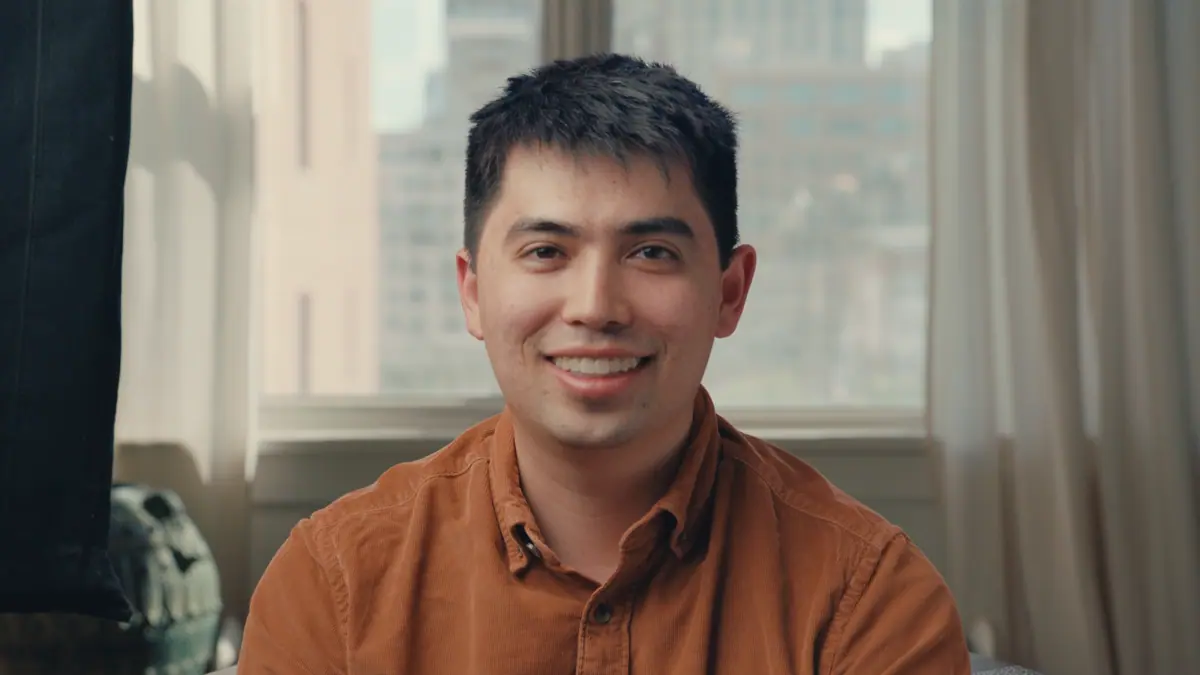
On this episode of TechCrunch’s Equity podcast, Pangram co-founder and CEO Max Spero joins Rebecca Bellan to dig into the promise of AI detection tools and where to draw the line between AI assisted and AI generated.
Listen to the full episode to hear more about:
- Why Spero thinks the internet could be “dangerously close” to the dead internet theory becoming reality within a few years.
- Why figuring out how much AI went into something is harder — and potentially more useful — than simply labeling it AI or human.
- The stakes of getting AI detection wrong, especially when false positives involve sensitive images.
- Why Spero thinks the “bottom tier” of writing jobs may be gone for good, while genuinely good human writing could become more valuable.