
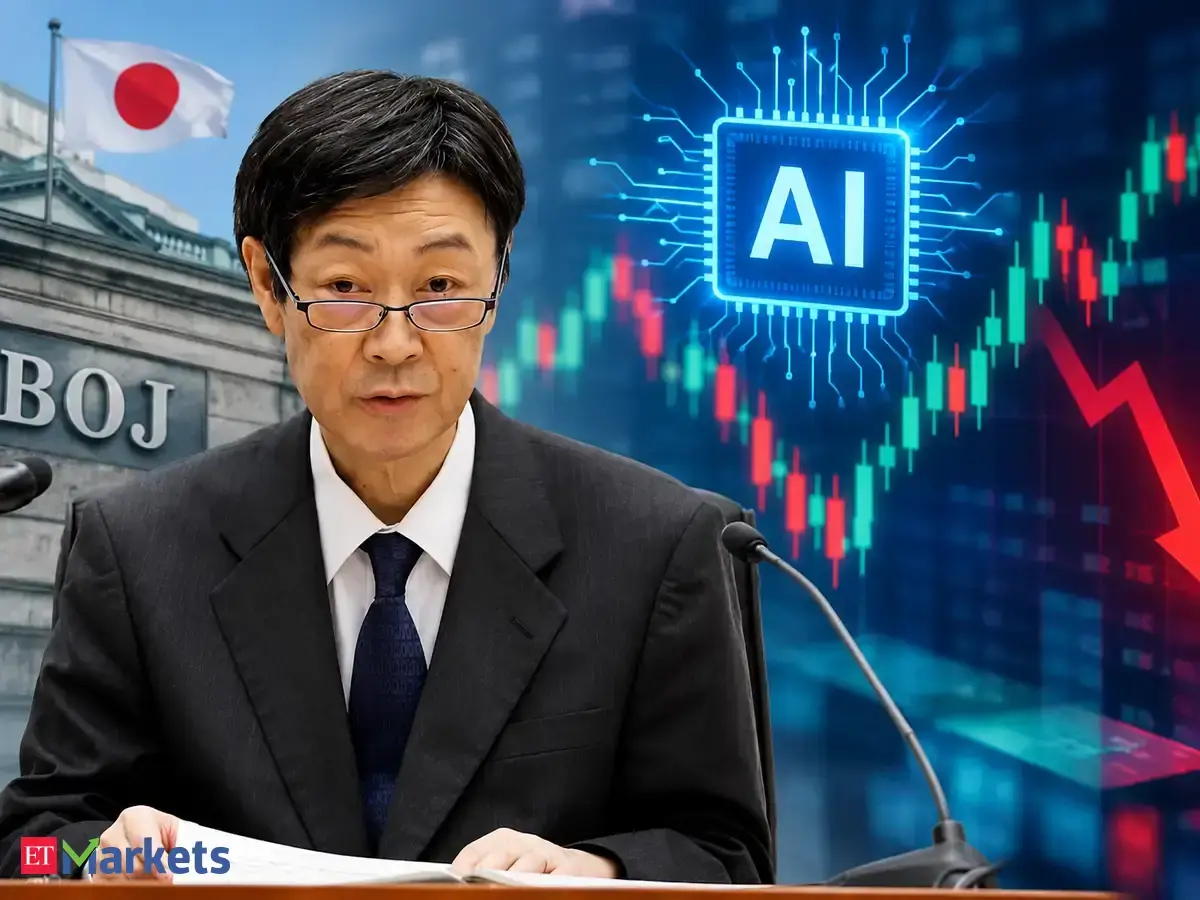
Bank of Japan Deputy Governor Shinichi Uchida said the global boom in artificial intelligence may have eased financial conditions by boosting demand and lifting asset prices, but warned that markets could face a correction if expected AI-related profits fail to materialize, Reuters reported.
According to Reuters, Uchida said in a speech published on the Bank of Japan's website on Monday that the rapid adoption of AI had acted as a major positive demand shock, supporting economic activity and putting upward pressure on prices.
Read more: Global Market Today: Asian shares rise as Fed hike bets ease, oil gains
AI could also raise productivity and encourage capital accumulation, potentially influencing a country's natural rate of interest, Uchida said.
The initial impact of the AI boom appeared to have come from the demand side, making financial conditions more accommodative overall, he said. However, a mismatch between elevated asset valuations and the profits ultimately generated by AI-related investments could increase the risk of a market pullback.
Uchida also pointed to a contrasting effect on financial conditions. While rising stock prices linked to AI have helped ease financial conditions, heavy bond issuance by AI-related companies has pushed up long-term interest rates, Reuters reported.
Read more: Nasdaq rises 1%, Dow, S&P close higher as weak jobs data tempers rate hike bets
The BOJ will continue to assess economic and financial data to develop a clearer view of AI's overall impact, Uchida said, adding that it remained difficult to determine how the technology would affect Japan's natural rate of interest.
The BOJ has identified strong AI-related demand as one of the factors that could push underlying inflation above its 2% target, potentially requiring further monetary tightening.
The central bank raised interest rates in June and September as energy costs linked to the Iran war added to inflationary pressures, alongside a weaker yen that has increased the cost of imports.
Japan is heavily dependent on overseas energy supplies and imports almost all of its crude oil. Most of those supplies came from the Middle East before the closure of the Strait of Hormuz, leaving the economy particularly exposed to disruptions in regional energy markets, Reuters reported.
(Disclaimer: This article is based on inputs from agencies. These do not represent the views of The Economic Times)
Add as a Reliable and Trusted News Source Add Now!
(You can now subscribe to our ETMarkets WhatsApp channel)
Global Market: BOJ's Uchida warns AI boom could trigger market correction
Shinichi Uchida, the Deputy Governor of the Bank of Japan, underscored the significant influence of artificial intelligence on the financial landscape. He noted that escalating asset prices could trigger market corrections if anticipated AI returns fail to materialize. Uchida also suggested that robust demand for AI might alter Japan's natural interest rates.
- Written by
- Anupam Nagar
- Published by
- The Economic Times
- Published
- Length
- 396 words · 2 min
Where this came from
This story was reported by Anupam Nagar and first published by The Economic Times on 5 October 2026. HUE Legacy Ventures did not write it.
Carried in full with attribution and a link to the original. Rights remain with the publisher, who may request removal at any time.