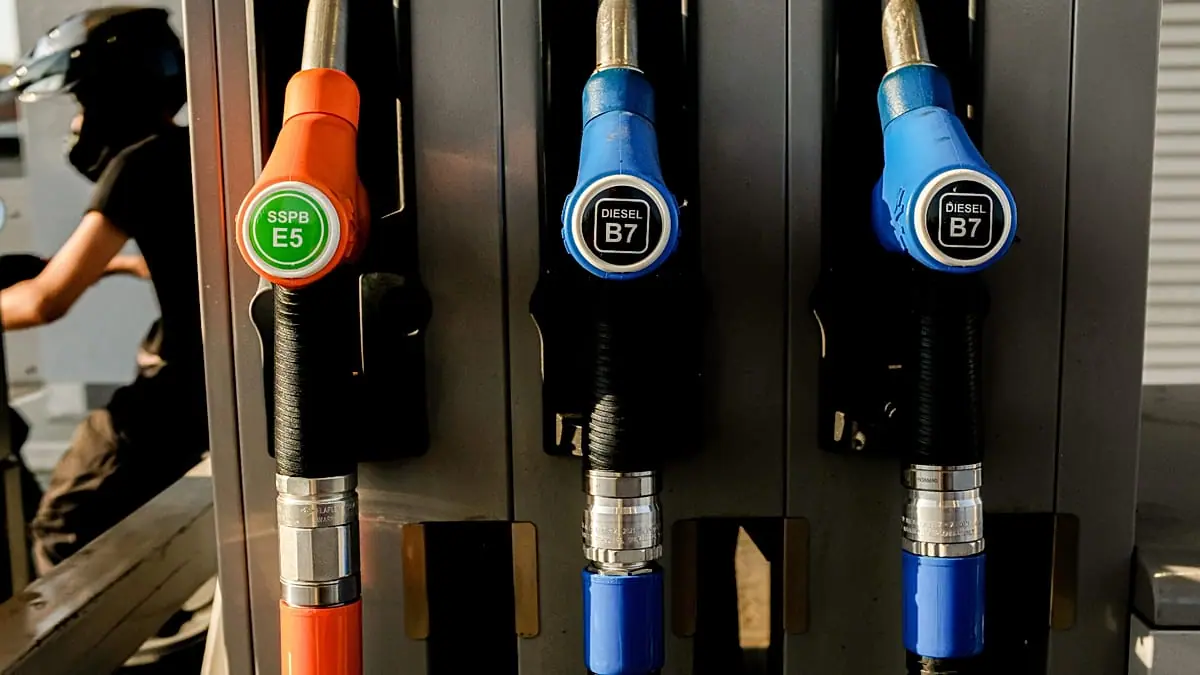
With tax breaks expiring and the decree on flexible excise duties delayed, diesel prices are rising again. The haulage sector warns of a strike as the government summons oil companies that have introduced initial capped prices.
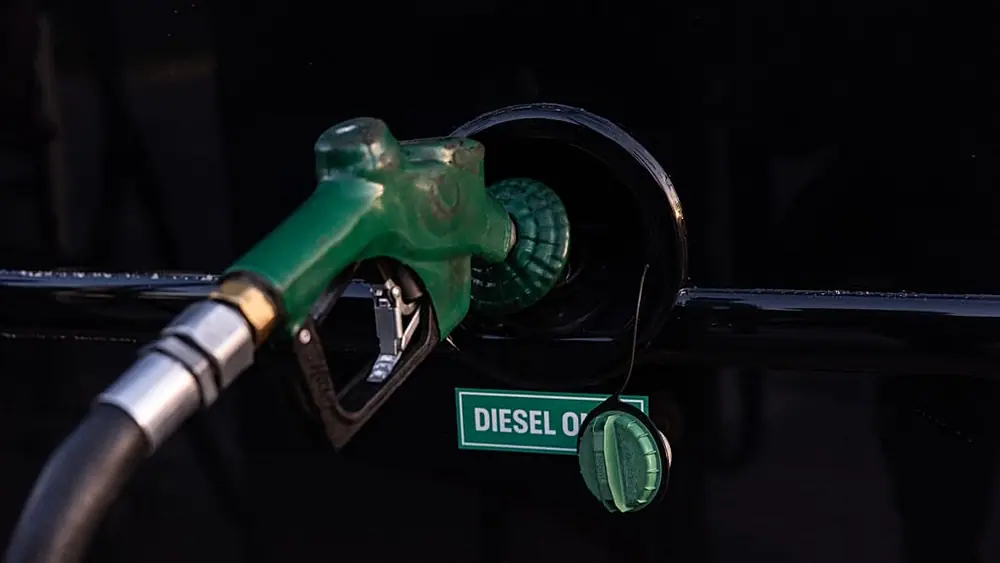
Diesel will once again cost €0.61 more per litre from Tuesday, after the expiry at midnight of the latest tax discount on fuel. In the absence of the ministerial decree due to be published in the Official Gazette, the much-heralded mechanism of "accise mobili" remains on hold.
ADVERTISEMENTADVERTISEMENTFilling up at the pump is officially more expensive, marking the complete end of fuel tax cuts for the first time since last March, when the first decree was adopted in the wake of the outbreak of the conflict between the United States and Iran.
Despite assurances in recent days about the activation of the mobile excise duty, the joint decree from the Ministry for the Environment and Energy Security and the Ministry of Economy and Finance did not arrive in time.
The mobile excise duty is designed to reuse the extra VAT revenue generated by the previous month’s crude oil price increases. Unlike discounts financed directly from the public purse, this system does not add to the deficit, but it only allows for smaller reductions in prices.
The excise rate on diesel therefore returns to its standard level. This is the final step in a phase-out that began on 26 September, when the original discount of €0.122 per litre had already been halved.
On the government’s table, the issue of targeted measures for low-income households and haulage operators also remains unresolved, with no political agreement reached so far.
Palazzo Chigi had announced its intention to scrap across-the-board fuel cuts, which mainly benefit wealthier people who consume more, in favour of targeted aid for those categories most exposed to rising prices.
Hauliers sound the alarm
The end of the subsidies has prompted a backlash from the logistics sector. Assotir has issued a "cry for help", highlighting the dramatic situation facing companies.
"Road haulage is going through a dramatic time and if it does not come to a halt in protest, it will grind to a halt because of the price of diesel," said Assotir president Anna Vita Manigrasso.
The association’s secretary-general, Claudio Donati, has not ruled out a sector-wide strike.
"It is a last-resort weapon because it means bringing the country to a standstill. We would like to avoid it, but in the absence of answers the government will have to reckon with us," he said.
The response from government and business
In a bid to curb the impact of the international situation, Business and Made in Italy Minister Adolfo Urso and Environment and Energy Security Minister Gilberto Pichetto have summoned the main refining operators, including Eni, IP, Q8, Saras and Isab, to Palazzo Piacentini on Thursday to consider boosting domestic production.
At the same time, private companies have begun to move. Since 28 September Eni has introduced a price cap of €2.19 per litre for diesel and €1.99 for petrol, for 30 days across the Enilive network.
Similar initiatives to cap prices or apply tiered discounts have also been launched by IP and Q8, covering more than 11,000 service stations, over half of the national network.
Prime Minister Giorgia Meloni has welcomed the response from the oil groups and thanked "all those who are making an effort at a difficult time".
The overall outlook remains uncertain, clouded by warnings from Brussels of a "difficult winter" due to energy costs, which are pushing the European Union to consider postponing until 2028 the rules to curb methane leakage from energy imports.
Go to accessibility shortcuts