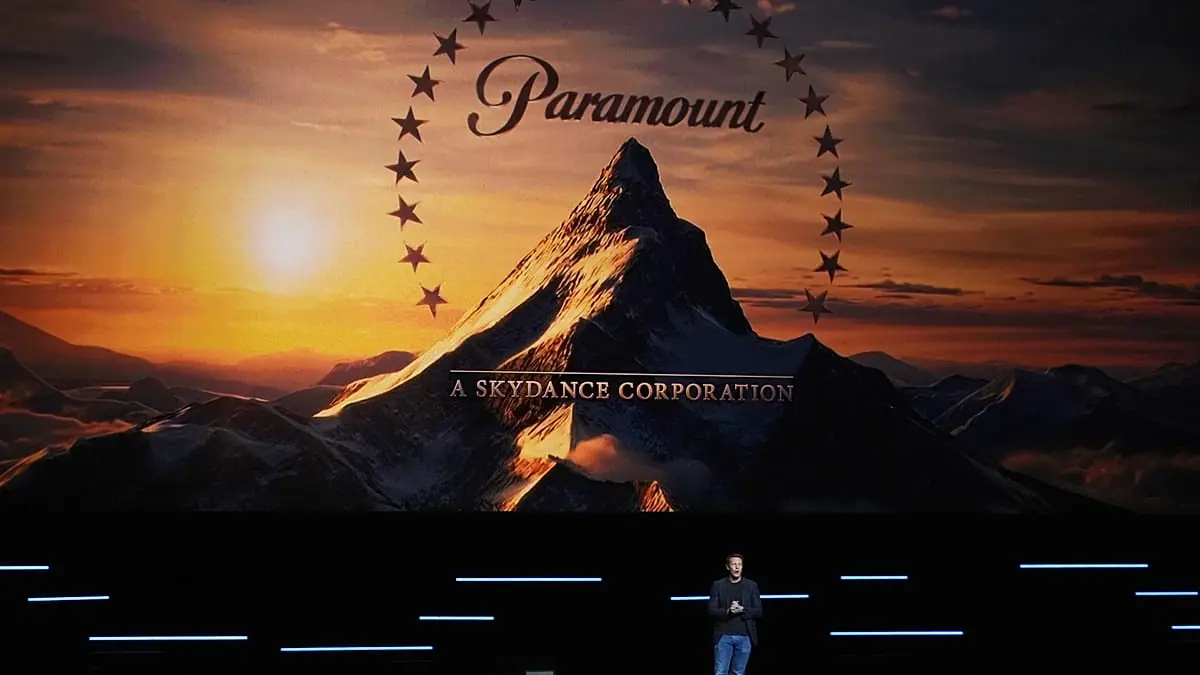
Two of America’s oldest film studios have completed their merger, bringing CNN, HBO and franchises including The Godfather and Harry Potter under one roof.
Paramount closed its $81 billion (€72bn) purchase of Warner Bros. Discovery, the companies announced on Tuesday, forming a new Hollywood giant called Skydance.
ADVERTISEMENTADVERTISEMENTThe merger brings HBO Max, films ranging from "Harry Potter" to "Sinners", and networks including CNN under the same roof as Paramount+, CBS and titles such as "Top Gun" and "The Godfather".
“Today is a historic day, not just for Skydance but for our entire industry,” CEO David Ellison said in a statement.
The deal further concentrates power in an industry already run by just a handful of major players. Ellison's Skydance bought Paramount in an $8bn (€7.1bn) deal last year, and set its sights on Warner soon afterwards.
What followed was a tumultuous, yearlong fight over Warner's fate. Including billions of dollars in debt, Paramount's buyout of Warner amounts to nearly $111bn (€98.6bn).
The combined company will have nearly $70bn (€62.5bn) in annual revenue and is targeting more than $6bn (€5.4bn) in annual cost savings within three years. Ellison will serve as chairman and CEO, while former Mattel chief Ynon Kreiz will oversee day-to-day operations and the integration of the two businesses.
Ellison also plans to merge Paramount+ and HBO Max into a single streaming service over time. Skydance shares began trading on the New York Stock Exchange on Tuesday under the ticker “SKYD”.
A bidding war with Netflix
The early days of Paramount's quest for Warner turned into a messy bidding war.
Months after disclosing it was open to selling parts or even all of its business, Warner initially struck a studio and streaming deal with Netflix in December. But Skydance-owned Paramount, which claimed Warner management "never engaged meaningfully" with its previous proposals, soon launched a hostile counterbid aimed at taking over the entire company, including networks such as CNN and Discovery.
The companies spent much of early 2026 in a heated back-and-forth over who had a stronger offer on the table, with Warner leadership repeatedly backing Netflix as its preferred suitor. But Paramount eventually raised its offer to buy all of Warner for $31 per share, and Netflix opted to bow out of the race. Warner and Paramount signed a merger agreement in late February.
Hollywood stars speak out
From awards shows to online petitions, A-list celebrities and other creatives made their voices known.
In April, thousands of film stars, writers and directors, including Jane Fonda, Mark Ruffalo, Denis Villeneuve and J.J. Abrams, signed a letter opposing the merger, warning of fewer jobs and less choice for audiences.
Opposition also surfaced during awards season, with #BlockTheMerger pins and pointed acceptance speeches. Accepting her Emmy last month, Sally Field said: "We can't let those voices be silenced, or compromised or merged."
On the other hand, Tom Cruise and James Cameron backed Paramount, as Ellison reaffirmed his commitment to cinema releases. The future of films on the big screen had also been a central concern for critics of Netflix's earlier bid.
Trump and CNN's editorial independence
US President Donald Trump has regularly attacked CNN's reporting and called for the network to be sold during the takeover battle. His administration also welcomed the prospect of Ellison taking control. In March, US Defence Secretary Pete Hegseth said: "The sooner David Ellison takes over that network, the better."
Ellison has said editorial independence will be maintained at CNN. Under its settlement with 12 states, the company agreed to establish a "News Editorial Independence Board" covering CNN and CBS. But critics point to turmoil already seen at CBS under Skydance ownership and question how effective the board will be, given Ellison's influence over appointments. The combined company is retaining Mark Thompson as CNN's editor-in-chief.
The scrutiny is heightened by Trump's long-standing ties to the Ellison family, although the president has also continued to criticise CBS coverage under Skydance ownership.
Gulf investment raises concerns over influence
To help fund its Warner buyout, Paramount secured billions of dollars in financial backing from three Gulf countries: Saudi Arabia, Qatar and the United Arab Emirates. The US Federal Communications Commission (FCC) approved the company's request for sizeable indirect ownership by those foreign investors.
Paramount previously disclosed it expected those funds to indirectly own nearly 50% of the combined company's equity, but hold no voting rights. The company asked for clearance for foreign investors to hold up to 100% of indirect equity interests, to account for potential future investments. The FCC granted that request, citing in part that access to more capital would strengthen the broadcast industry and was therefore "in the public interest".
Critics, including the FCC's sole Democratic commissioner, Anna Gomez, have called the move alarming and unprecedented. They argue that such substantial investment opens the door to behind-the-scenes influence.
Settlements clear the final legal hurdles
Paramount cleared antitrust hurdles for its Warner acquisition from regulators worldwide over the summer, including the Trump administration's Justice Department.
But in July, Democratic attorneys general from 12 states, led by California's Rob Bonta, sued to block the merger, alleging the combined company would "extinguish competition" and lead to fewer choices for consumers, particularly cinemagoers and cable customers across the US.
The Writers Guild of America followed suit. Paramount initially agreed to delay completion until next year while the challenges moved towards an antitrust trial.
Settlement agreements emerged in September. The states' terms, eventually approved by a judge, include pledges from the company to increase film production in the US over the next five years, invest in workforce training and career development, and establish an editorial independence board for CNN and CBS.
Settling these challenges cleared a key hurdle to completing the deal. Critics decried the settlements as capitulating to corporate pressure and said the remedies were too weak.
Go to accessibility shortcuts