Global logistics company Rhenus Group plans to build a new multimodal hub in the Kazakh city of Aktau and develop up to 14 terminals along the Middle Corridor. This network will link Uzbekistan, Kazakhstan, Azerbaijan and Türkiye, and connect the route to the company's infrastructure in Europe.
German logistics giant Rhenus Group is set to roll out a network of up to 14 terminals along the Middle Corridor, also known as the Trans-Caspian International Transport Route (TITR), with a new trimodal container terminal in Aktau.
ADVERTISEMENTADVERTISEMENTFor European businesses, the expansion could provide more capacity and more reliable transport links with Asian suppliers and markets. The European Commission said in September that it aimed to mobilise up to €12 billion in public and private investment in the Middle Corridor, with the goal of tripling trade flows and cutting freight transit times by 2030.
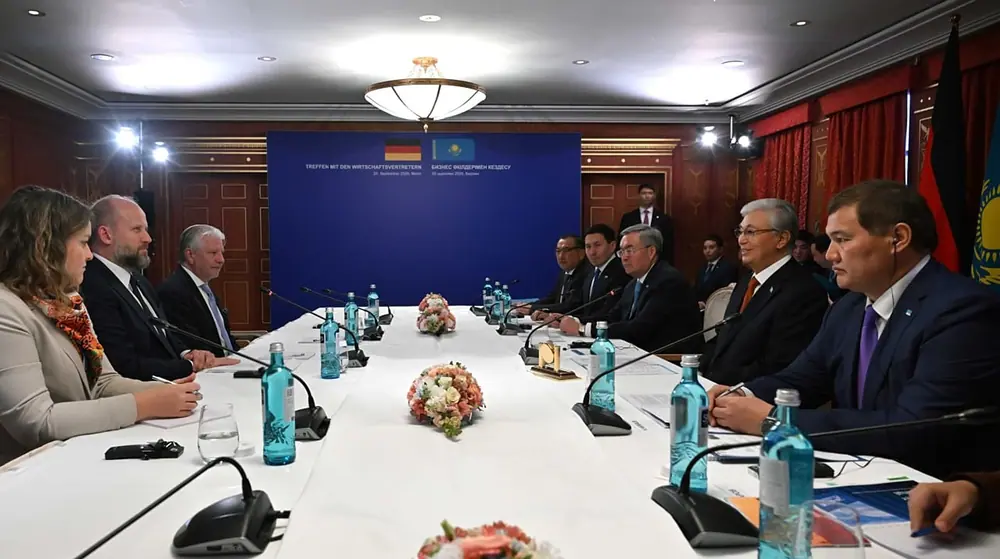
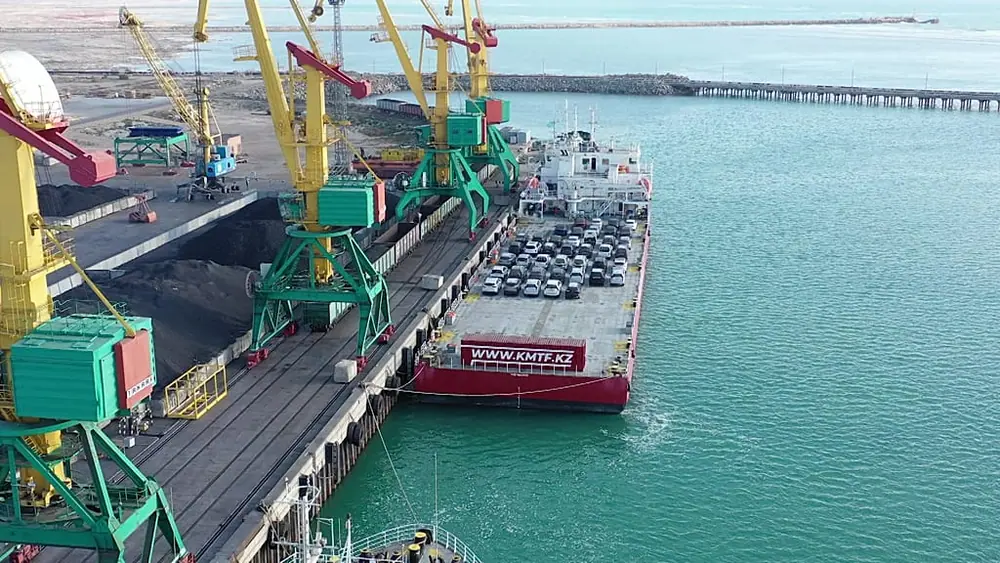
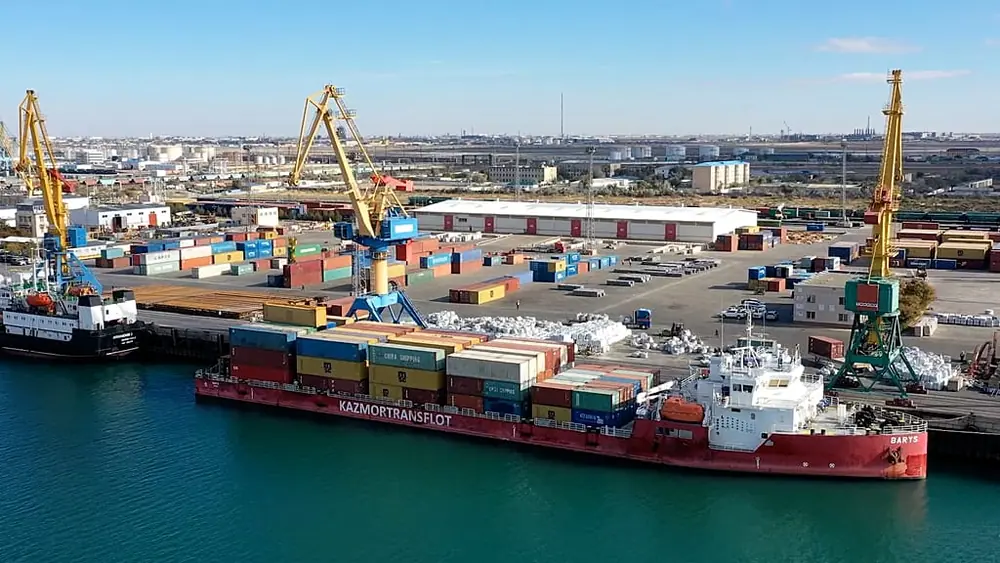
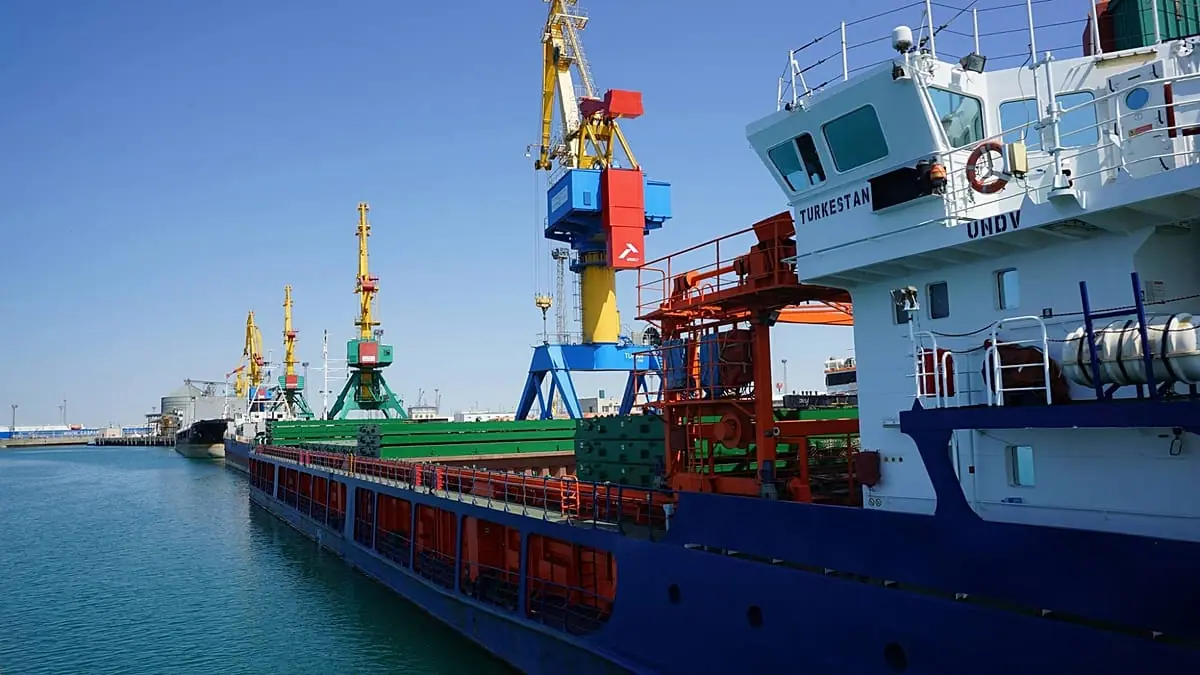
Rhenus is working with Kazakhstan’s national railway operator (KTZ) and the Port of Aktau to develop a new multimodal logistics hub on the Caspian Sea.
"Overall, we want to build 14 terminals along the Middle Corridor, from Uzbekistan through Kazakhstan and Azerbaijan to Türkiye. We then want to connect them to our network in Europe, where we already have 23 container ports and around 70 port facilities," said Tobias Bartz, CEO and Chairman of the Management Board of Rhenus Group.
According to the Kazakh Ministry of Trade and Integration, freight traffic along the Trans-Caspian trade route increased up to 62%, and container traffic rose to 2.7 times, reaching 56,500 TEU between 2025 and 2025.
Container traffic along the Middle Corridor reached 76,900 TEU in 2025, up 36% from 2024, according to the route’s international association.
The planned terminal will connect sea, rail and road transport, span at least 30 hectares and add annual handling capacity of at least 150,000 TEU — almost twice the corridor’s reported container traffic in 2025. The project is moving into the next phase, in which partners will carry out a traffic-flow analysis and a feasibility study.
"Kazakhstan plays a key role in connecting China, Central Asia, the Caspian region and Europe. The next joint steps with our partners are therefore important building blocks in our long-term commitment to the region," Bartz added.
Thus, the project seeks to integrate separate national infrastructure along the Middle Corridor into a unified commercial logistics network.
Rhenus Group expands its network in Central Asia
The Aktau project is not Rhenus’ only investment in the region. In January 2026, the company acquired its first rail terminal in the Almaty region. The facility provides container storage, bonded warehousing and block-train handling.
In Uzbekistan, Rhenus plans to invest around €11 million in modernising a terminal in Andijan with the state railway company.
The terminal is expected to handle around 200,000 TEU a year.
Go to accessibility shortcuts