- Published5 hours ago
Extreme heat this summer has led to dairy farmers delivering 240 million fewer litres of milk than expected, researchers have said.
Farmers delivered four fewer days of milk supply than would be expected between May and August, according to the Energy and Climate Intelligence Unit (ECIU).
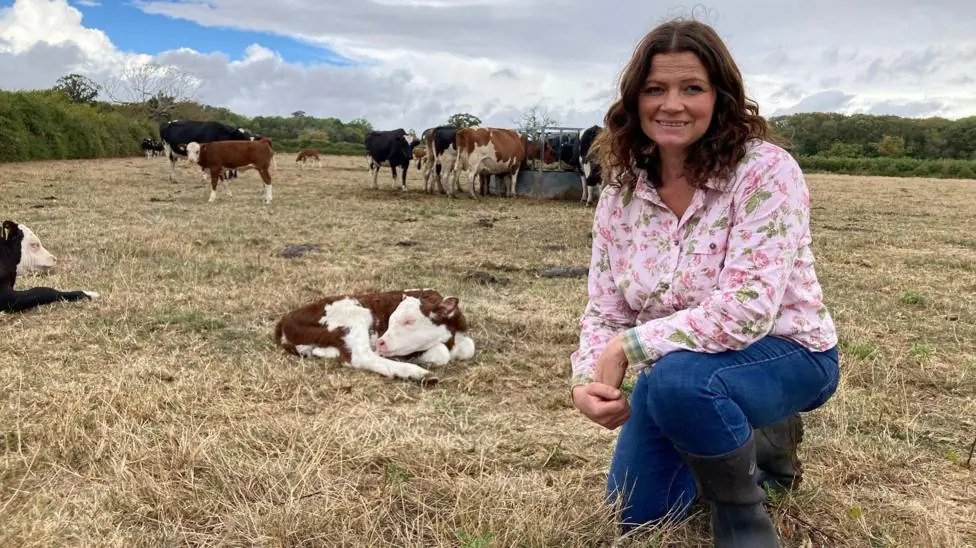
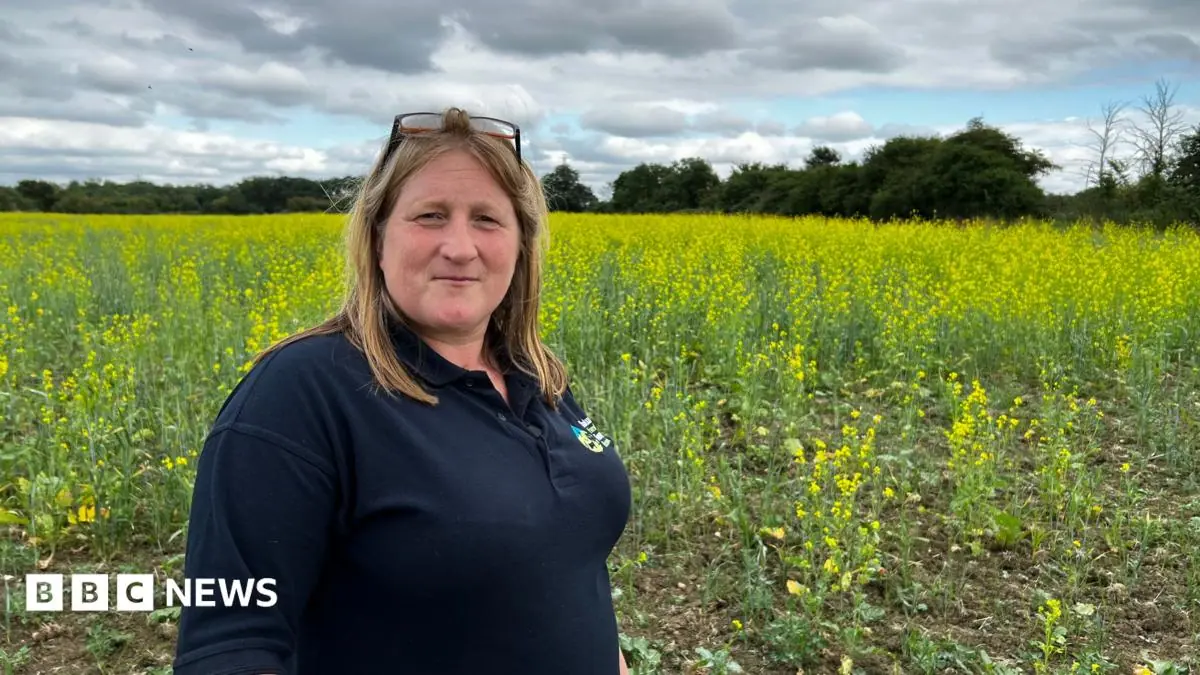
With the heat leading to poor grazing conditions, stunted harvests and heat strain on livestock in England and Wales, many farmers have started giving winter feed to cattle, including Debbie Wilkins, a dairy and beef farmer in Gloucestershire.
"The costs pile up when you have to bring the cows indoors and the loss of milk production compounds the issue," she said.
More from Gloucestershire
- Published4 hours ago
- Published5 hours ago
- Published16 hours ago
Wilkins, who farms in Prior's Norton, said it had been a "difficult" summer.
In total, the ECIU said dairy farmers lost milk valued at more than £83m - enough milk to fill more than one billion school milk cartons.
It follows the UK's hottest summer on record in 2026, with five intense heatwaves and drought declarations.
But while farmers delivered significantly less than expected over the summer, the ECIU said UK milk production could still hit near record levels in 2026.
It said this was because farmers built up a cushion earlier in 2026 which had partially offset the litres lost over the summer.
ECIU said the consolidation of dairy farms in recent years had allowed for "economies of scale and mechanisation to increase milk outputs while the herd size reduces".
Tom Cantillon, a senior analyst at ECIU, said future heatwaves would become progressively harder to recover from, especially as milk was an "unforgiving product in farming" as it cannot be stockpiled.
"The costs don't stop now that the rain has come," Cantillon said.
"A second bad year for grass has pushed farmers into their winter forage early, with feed prices to follow."
Cantillon said farmers needed help to roll out climate resilience measures such as more shade, trees and water.
Get in touch
Your Voice
Contact formContact form