Our top picks of timely offers from our partners
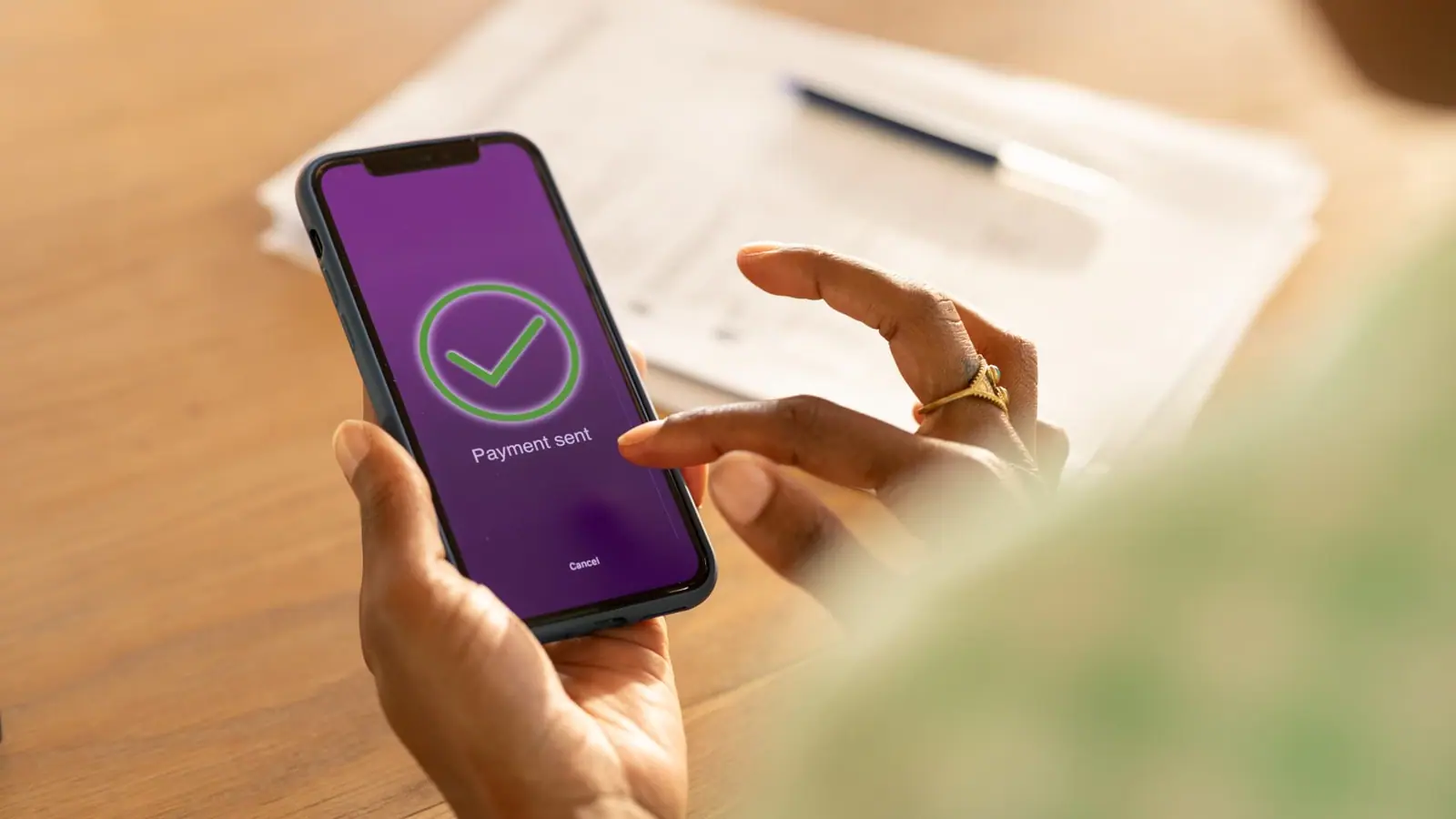
More detailsLearn MoreTerms ApplyPaid PlacementBiz2CreditGet Prequalified up to $200,000 in business financing Learn MoreTerms ApplyPaid PlacementBig Think CapitalSmall Business financing that moves as fast as you doLearn MoreTerms ApplyMonarchOur top pick for being easy to use, Monarch's budgeting app is 50% off your first year of Core Plan with code CNBC50Learn MoreTerms ApplyBluevineBluevine offers fast funding options for your small businessLearn MoreTerms ApplySBG FundingFast and flexible financing options for your small businessSelect independently determines what we cover and recommend. We earn a commission from affiliate partners on many offers and links. This commission may impact how and where certain products appear on this site (including, for example, the order in which they appear). Read more about Select onCNBC, and clickhereto read our full advertiser disclosure.Are you using buy now, pay later (BNPL) loans to cover your rent, utility bills or other everyday expenses? As more BNPL providers expand their services beyond traditional purchases, these loans are increasingly becoming a way to finance recurring bills and other necessities. In fact, 61% of renters say they would consider "rent now, pay later" services that let them split their monthly rent into two payments, according to LendingTree.
Before turning to BNPL to cover a bill, there are a few options worth considering first. And for other expenses, here are some alternatives to help cover the cost without relying on BNPL.
Using BNPL for bills and other expenses
- What to try first before using BNPL for bills
- Other ways to cover expenses
- What to watch out for when using BNPL
6.30% - 35.99%
Loan amounts$1,000 to $75,000
LEARN MOREAvant Personal LoansAnnual percentage rate (APR)9.95% to 35.99%
Loan amounts$2,000 to $35,000
LEARN MOREWhat to try first before using BNPL for bills
Before financing a bill at all, start with the biller itself, Cynthia Chen, founder of AI-powered financial coach Kikoff, tells CNBC Select.
"Call the biller before you finance the bill," she says. "That sounds simple, but it's probably the most overlooked option."
A few places to start:
- Utilities often have payment plans or budget billing, which spreads your annual cost into more predictable monthly payments.
- Hospitals and medical providers frequently offer financial assistance programs, especially for larger bills. Also, always negotiate your medical bill.
- Landlords may be willing to work with tenants on timing, particularly for a one-time delay.
- Public or nonprofit assistance programs could be helpful, depending on the bill and your situation.
"Those options can be significantly cheaper than adding another financial product," Chen says.
Other ways to cover expenses
Outside of bill payments, a balance transfer credit card or personal loan may be a better fit than BNPL, especially if you're dealing with a larger balance or need more time to repay it.
BNPL is generally designed for short-term financing, while a balance transfer card can give you more time to pay off credit card debt without accruing additional interest during a promotional period.
The Wells Fargo Reflect® Card offers an introductory APR period on both new purchases and qualifying balance transfers for nearly two years. The Citi® Diamond Preferred® Card has a similar intro APR period but only on balance transfers. Its 3% intro fee for balance transfers is also on the lower end, making it a great option for paying off high-interest credit card debt (0% intro APR on balance transfers for 21 months; balance transfers must be completed within four months of account opening. After that, fee will be 5% of each transfer, minimum $5). It also has a 12-month 0% APR intro period on new purchases (then 16.74% to 27.49% variable APR), plus its own BNPL option with Citi® Flex Pay.
Wells Fargo Reflect® Card
CNBC Select Rating4.3Learn MoreOn Wells Fargo's site
CNBC Select Rating4.3Learn MoreOn Wells Fargo's site
Spotlight
This card offers one of the longest introductory APR periods for purchases and qualifying balance transfers.
Credit scoreRegular APR17.74%, 24.24%, or 28.49% Variable APR
Annual fee$0
Welcome bonusNone
Terms apply.
Our expert take
The Wells Fargo Reflect® Card is one of the absolute best cards you can apply for if you want to save on interest and pay down debit quickly thanks to its extra generous intro-APR offer on purchases and qualifying balance transfers.
Pros & cons
- Incredible intro-APR for purchases and qualifying balance transfers
- No annual fee
- Cell phone insurance: up to $600 of cell phone protection against damage or theft. Subject to a $25 deductible
- No rewards
- No welcome bonus
- High balance transfer fee
More details
Highlights
Highlights shown here are provided by the issuer and have not been reviewed by CNBC Select's editorial staff.
- Apply Now to take advantage of this offer and learn more about product features, terms and conditions.
- 0% intro APR for 21 months from account opening on purchases and qualifying balance transfers. 17.74%, 24.24%, or 28.49% variable APR thereafter; balance transfers made within 120 days qualify for the intro rate, BT fee of 5%, min: $5.
- $0 annual fee.
- Up to $600 of cell phone protection against damage or theft. Subject to a $25 deductible.
- Through My Wells Fargo Deals, you can get access to personalized deals from a variety of merchants. It's an easy way to earn cash back as an account credit when you shop, dine, or enjoy an experience simply by using an eligible Wells Fargo credit card.
Balance transfer fee
5%, min: $5
Foreign transaction fee
3%
Citi® Diamond Preferred® Card
CNBC Select Rating4.3Learn MoreOn Citi's site
CNBC Select Rating4.3Learn MoreOn Citi's site
Spotlight
Receive a introductory APR for 21 months on balance transfers, which is consistently one of the longest balance transfer offers.
Credit scoreRegular APR16.74% - 27.49% variable
Annual fee$0
Welcome bonusNone
See rates and fees. Terms apply.
Our expert take
The Citi® Diamond Preferred® Card has an exceptionally long intro-APR for balance transfers and is also notable for its reasonable 3% intro fee for balance transfers.
Pros & cons
- One of the longest intro-APR offers for balance transfers
- Lower intro balance transfer fee
- No annual fee
- No rewards
- No welcome bonus
More details
Highlights
Highlights shown here are provided by the issuer and have not been reviewed by CNBC Select's editorial staff.
- 0% Intro APR on balance transfers for 21 months and on purchases for 12 months from date of account opening. After that the variable APR will be 16.74% - 27.49%, based on your creditworthiness. Balance transfers must be completed within 4 months of account opening.
- There is an intro balance transfer fee of 3% of each transfer (minimum $5) completed within the first 4 months of account opening. After that, your fee will be 5% of each transfer (minimum $5).
- No Annual Fee - our low intro rates and all the benefits don't come with a yearly charge.
- Buy now and pay later. Split your payment for eligible purchases of $75 or more into a fixed payment with Citi® Flex Pay.
- Get free access to your FICO® Score online.
Balance transfer fee
There is an intro balance transfer fee of 3% of each transfer (minimum $5) completed within the first 4 months of account opening. After that, your fee will be 5% of each transfer (minimum $5).
Foreign transaction fee
3%
For a larger expense that you need several months or years to repay, with a fixed interest rate and predictable monthly payments, a personal loan is a good financing fit.
Upstart makes it easy for anyone to qualify as it considers factors like education and employment history and allows a co-applicant, with loan amounts ranging from $1,000 to $75,000. LightStream works well for larger expenses, with terms up to 20 years. PenFed, a federal credit union open to the public, offers loans as low as $600, better suited to a single bill than a larger consolidation.
Upstart Personal Loans
Learn MoreLearn MoreSpotlight
Designed for applicants with low or no credit score.
Upstart considers applicants with FICO Scores of 300 (the lowest possible) and those with insufficient credit history.
See if you're pre-approved for a personal loan offer.
Credit scoreTerms36 and 60 months
Loan amounts$1,000 to $75,000
Annual Percentage Rate (APR)6.30% - 35.99%
Our expert take
We like that Upstart considers factors besides credit score, including education, income and employment history. However, co-signers aren't accepted.
Pros & cons
- Accept applicants with bad or no credit
- Minimum APR is lower than many competitors'
- Approves personal loans up to $75,000
- Most loans are funded the next business day
- Origination fee of 0% to 10%
- Doesn't allow co-signers or co-borrowers
LightStream Personal Loans
Learn MoreLearn MoreSpotlight
Best if you need more time to pay off your loan.
LightStream's repayment terms can be as long as 240 months (for certain purposes), which gives you far more flexibility for fitting payments into your budget
See if you're pre-approved for a personal loan offer.
Credit scoreTerms24 to 240 months, depending on loan purpose.
Loan amounts$5,000 to $100,000
Annual Percentage Rate (APR)7.24% - 24.89%* APR with AutoPay. AutoPay discount is only available prior to loan funding. Rates without AutoPay are 0.50% points higher. Excellent credit required for lowest rate. Rates vary by loan purpose.
Our expert take
We like that LightStream offers competitive APRs, no late or origination fees and long loan term options. But you can't prequalify and the loan minimum may be too high if you only need to borrow a small amount.
Pros & cons
- Same-day funding available.
- Loan amounts up to $100,000.
- No origination fee or late fee.
- The minimum loan amount is $5,000.
- Prequalification not available.
- No option to pay your creditors directly.
PenFed Personal Loans
Learn MoreLearn MoreSpotlight
A great option if you don't need a large loan.
You can get approved for as little as $600, and PenFed membership only requires a $5 deposit.
See if you're pre-approved for a personal loan offer.
Credit scoreTerms1 to 5 years
Loan amounts$600 to $50,000
Annual Percentage Rate (APR)As low as 6.99% APR
Our expert take
PenFed is worth considering if you have good-to-excellent credit and want a straightforward personal loan with competitive rates and few fees. We like that you don't have to be a PenFed member to apply — you can joinduring the application process.
Pros & cons
- Approves loans as small as $600.
- Membership available with a $5 deposit in a savings account.
- Can pick up a physical check at a branch.
- Can apply with a co-borrower.
- Maximum loan amount is $50,000.
- Generally need good to excellent credit.
- Most branches are in D.C., Maryland and Virginia.
What to watch out for when using BNPL for bills
According to Chen, there are a few warning signs to watch out for that may suggest BNPL is doing more harm than good for your finances:
- You already know next month's bill will need to be split, too. "If you already know you'll need to split the same bill again next month, this probably isn't a temporary bridge anymore," Chen says.
- You can't cover the payment from your next paycheck. There's no magic number of loans that signals trouble. The real test is simpler, Chen says: Can you absorb the payment without leaning on BNPL again to get through it?
- You're juggling several plans at once. Splitting payments across multiple apps can make the total harder to see. "A consumer might not experience it as '$400 of debt,'" Chen says. "They experience it as $42 Tuesday, $65 Friday, another $38 next week. That makes the total obligation harder to see."
- You're focused on the 0% rate instead of the total cost. Retail BNPL can offer 0% because the merchant helps cover the cost, Chen explains, but a landlord or utility company usually isn't doing that. Instead, consumers may pay membership, processing or transaction fees. Her advice is to look past the interest rate and ask what you're actually paying, and whether you're likely to pay it again next month.
The CNBC Select Recommends newsletter delivers practical money tips each week along with expert-picked financial product recommendations. Sign up here.
Meet our experts
At CNBC Select, we work with experts who have specialized knowledge and authority based on relevant training and/or experience. For this story, we interviewed Cynthia Chen, founder and CEO of Kikoff.
Why trust CNBC Select?
At CNBC Select, our mission is to provide our readers with high-quality service journalism and comprehensive consumer advice so they can make informed decisions with their money. Every personal finance article is based on rigorous reporting by our team of expert writers and editors with extensive knowledge of financial products. While CNBC Select earns a commission from affiliate partners on many offers and links, we create all our content without input from our commercial team or any outside third parties, and we pride ourselves on our journalistic standards and ethics.
Catch up on CNBC Select's in-depth coverage of credit cards, banking and money, and follow us on TikTok, Facebook, Instagram and X to stay up to date.