YouTube also promises an AI-powered “Your Podcast Lineup” feature in the coming months. This is a weekly spoken preview of recommended podcasts available through YouTube Music. These AI features are limited to YouTube Music subscribers and will begin rolling out later this year.
Creator changes could mean changing content
According to Google, YouTube creators are very invested in AI tools. The company claims that a large majority of US video posters have used AI to create or edit content in the past year. YouTube will give them even more opportunities to use AI with a new Gemini-based conversational editing feature in the YouTube Create app. After cutting together different versions of a video with AI, expanded A/B testing will let creators run up to three different versions to find the one that gets the most engagement.
A new tool called Ask Studio can also help with recommendations for things like pacing, framing, and thumbnails. It will even generate those thumbnails using AI. This tool can run in the background to analyze older videos and suggest ways to boost them for more views.
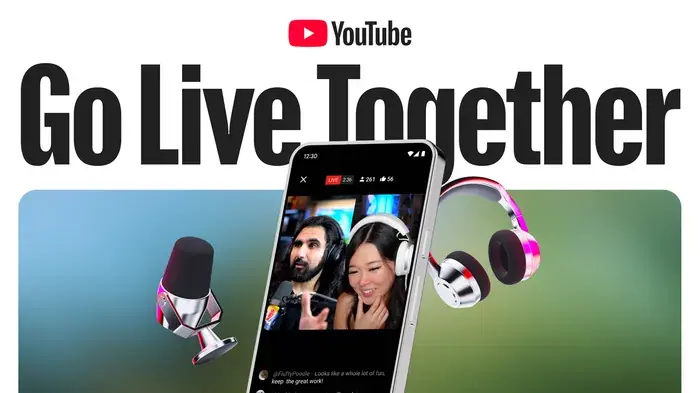
The content you see on YouTube may also change thanks to some new creator features. YouTube previously rolled out the option for two different creators to share a single livestream. Early next year, YouTube will use live matchmaking to merge streams from people who might not even know each other.
These shared streams will connect to a new feature called Live Showdown, which is billed as an interactive audience experience. Streamers will compete with a live leaderboard to see who can get the most chats, gifts, and Super Chats. So whoever gets viewers to spend the most money “wins,” essentially. Someone in this equation is probably losing, but it’s not the streamers.
The last creator update could make more content accessible to you on YouTube. The company says 40 percent of live watch time comes from viewers outside the creator’s home country. YouTube will support this trend with live autodubbing. Starting early next year, video makers will be able to enable real-time translation of their streams so viewers in other countries will be able to watch live in their preferred language. YouTube didn’t specify how this will work behind the scenes, but Google did recently release an improved Gemini translation model. So autodubbing will probably use some version of that.