- Published1 September 2026, 12:59 BST
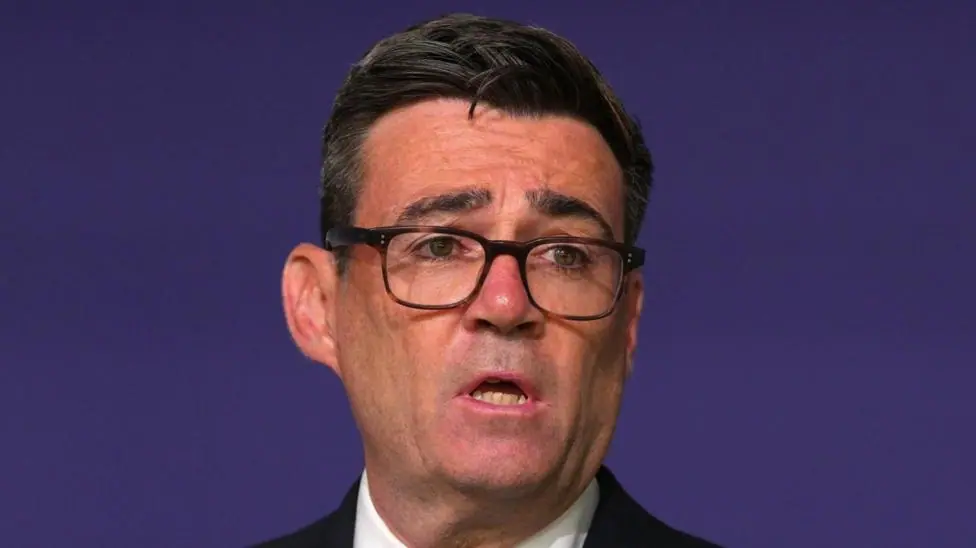
Long-term government borrowing costs have risen to a 28-year high, putting further pressure on Prime Minister Andy Burnham ahead of his first Budget next month.
The yield on a 30-year gilt — a loan to the British government — rose to 5.89%, the highest since 1998.
The effective cost of borrowing for governments across the globe has continued to rise this morning with new multi-decade highs in market interest rates.
The moves reflect concerns about inflation arising from the ongoing Iran war, competition from major tech firms for long-term borrowing, and concerns about state borrowing levels.
All of those factors will make the Budget process trickier for Burnham, who will face MPs on Tuesday for the first time as prime minister, and his Chancellor John Healey.
Higher borrowing costs will reduce the amount of headroom the government has against its self-imposed fiscal rules, limiting the amount Healey can spend on consumer-friendly measures to ease the cost of living.
Downing Street said fiscal discipline is the "bedrock" of Britain's economic stability and national security.
But a spokesperson for the prime minister refused to comment directly on the rise in borrowing costs.
"The chancellor and the prime minister are in lockstep that the government will meet the fiscal rules with a buffer against uncertainty and we're cutting the deficit faster than any other G7 economy to the lowest level in six years," the spokesperson said.
The yield on the benchmark 10-year gilt rose to its highest rate since June 2008, at the height of the global financial crisis.
Gilt yields move counter to the value of the bonds, meaning their prices fall when yields rise.
Borrowing costs in the US, Japan and Europe have hit similar highs in recent days.
Global markets reacted in particular after suggestions in the US that its central bank could raise rates. The UK market was closed for the bank holiday yesterday. Japan is also facing pressure to raise rates.
The Chancellor is in the USA attending a meeting of global finance ministers and central bankers. He told the G20 that the UK had the fastest growth in the G7 in 2026 so far, that productivity was improving and that the UK was cutting its borrowing at the fastest rate of the major economies.
Kathleen Brooks, research director at investment company XTB, told the BBC News Channel: "Of course, this is red lights flashing."
"We are used to pockets of volatility, it has been volatile few months," she says.
But record levels of government debt and a record tax take mean "these are not comfortable times for the new government and the new chancellor," she says.
Every time bond yields rise, the UK has to pay more on the debt interest, she says.