
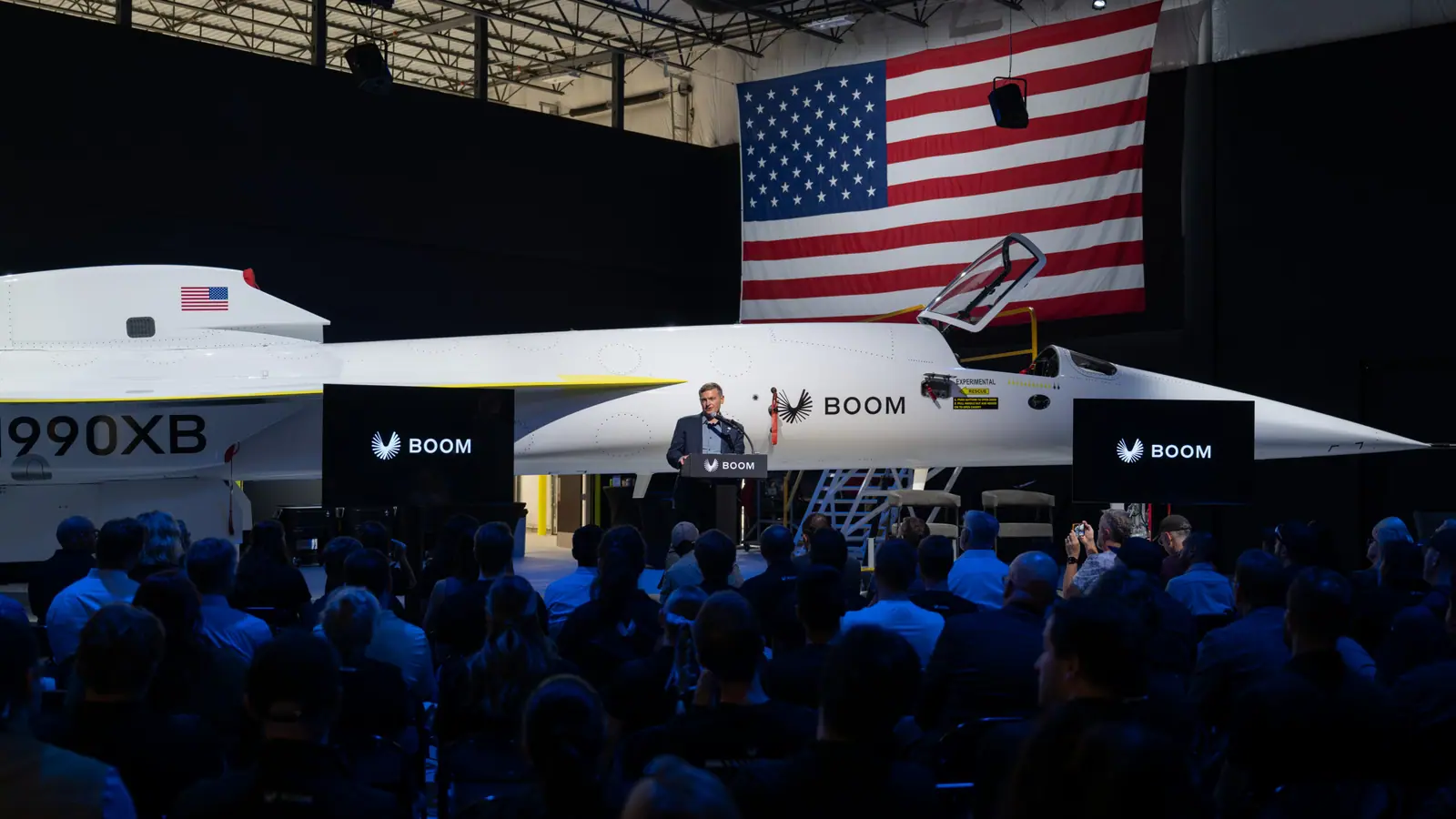
Boom described its new Superpower factory as making turbine parts while still undergoing construction. It aims to deliver the first gas turbines to AI data center customers in mid-2027 while ramping up annual production to 25 turbines in 2028 and 50 turbines by 2029.
Boom’s detour into powering data centers coincides with many tech companies prioritizing natural gas as the primary power source to get their projects up and running. Some data center developers are even using “mobile gas generators strapped to semitrucks” or “aeroderivative turbines originally designed for aircraft and warships,” according to the market intelligence platform Cleanview.
However, Boom CEO Scholl also acknowledged the recent loss of a $1.25 billion deal that would have seen data center developer Crusoe purchase 29 of Boom’s gas turbines, in a post on the social media platform X on September 25. Crusoe has been involved in building Texas data centers for Oracle, Google and Microsoft that draw upon various power sources including natural gas and renewables.
Scholl said Boom “will be delivering about 250MW of Superpowers next year to other sites” but did not specify the AI data center customers that may be using the gas turbines.
Still, Boom has characterized the development of a gas turbine for data centers as being synergistic with its design of the Symphony engine for the Overture airliner. During the October announcement, it also described having completed a prototype turbine core, called Sprint Core, that is intended to eventually power both the Superpower gas turbine and Symphony engine for the airliner.
That turbine core is set to undergo testing at the Colorado Air & Space Port, with Boom planning to fire the turbine for the first time before Thanksgiving. That would be a concrete development milestone, but the company still has much to do in proving it can get both its AI data center and supersonic airliner ventures off the ground.