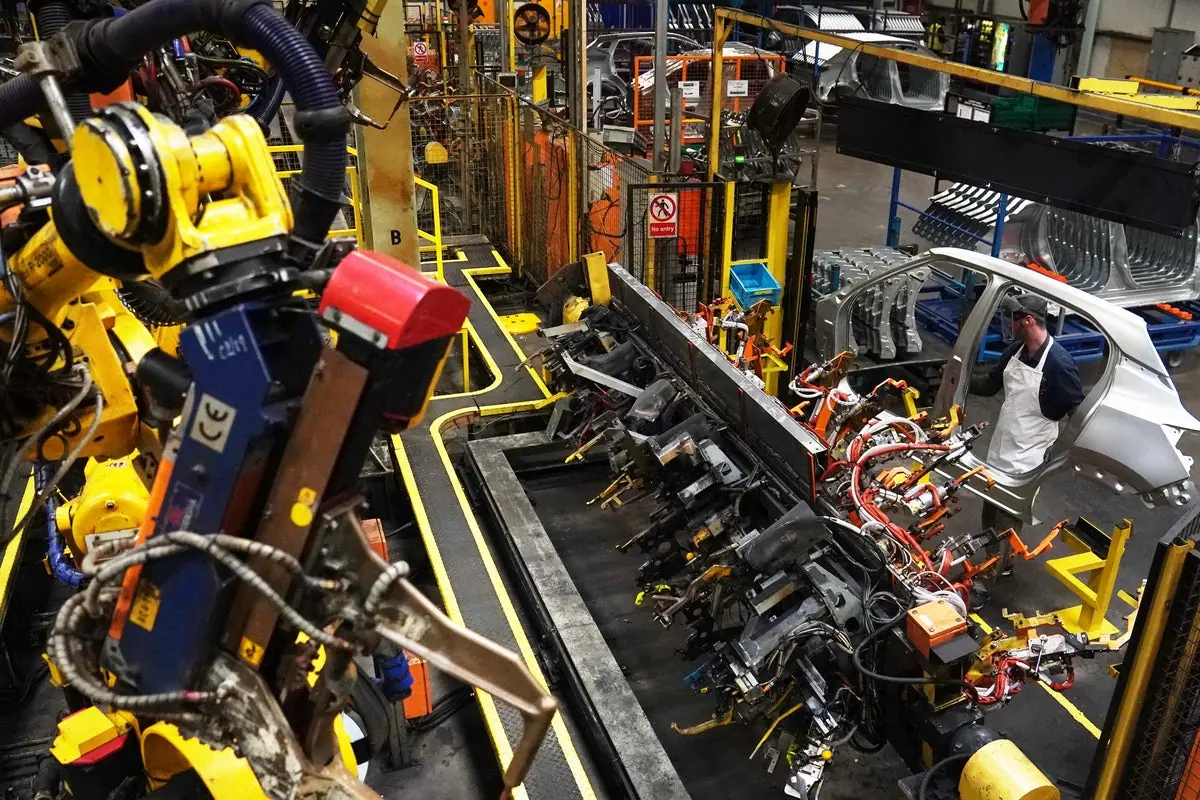
UK manufacturers are showing “resilience” with production accelerating at the fastest pace in two years, while firms have been increasing prices in the face of cost pressures such as fuel and energy, a new survey suggests.
The S&P Global UK manufacturing PMI survey, watched closely by economists, showed a reading of 52.8 in October, up from 51.9 in September.
Any reading above 50.0 indicates activity is growing, while any score below means it is contracting.
October’s reading means that overall activity in the manufacturing industry has been growing for a year.
Furthermore, the pace of factory production rose to a 25-month high in October.
Manufacturing firms reported getting stronger levels of new business and improved demand from both domestic and overseas clients, including China, the EU and the US.
Rob Dobson, director at S&P Global Market Intelligence, said manufacturing firms “showed resilience in the lead up to the autumn Budget”.
But he pointed out that the industry may face increased pressure from the planned rise in the national minimum wage from April, which was confirmed in last week’s Budget.
“As well as higher wage costs, manufacturers are being buffeted by rising fuel, energy and transportation costs as supply-chain shocks and delays continued to drive up inflationary pressures,” he said.
The PMI survey showed that input costs – meaning the price of materials and components bought in by manufacturers – have been increasing for almost three years, and rose at the sharpest pace last month since the spring.
Firms said that part of this increase had been passed onto clients in the form of higher selling prices.
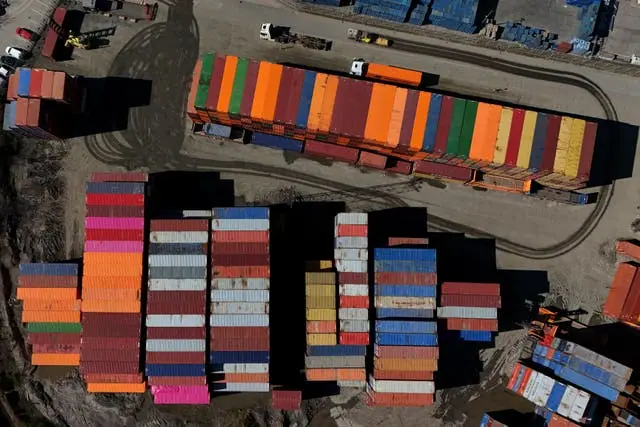
Manufacturers also continued to experience longer delivery times because of the impact of shipping being re-routed, congestion at ports, material shortages and ongoing disruption to key transport routes caused by global conflict.
Some said that extended delivery times were becoming the norm, the survey found.
Matt Swannell, chief economic adviser to the Item Club, said signs of growth in the manufacturing industry come as “the economy as a whole continues to show resilience in the face of the energy shock from the conflict in the Middle East”.
“Some of this strength is due to AI-related activities and looks durable,” he said.
“But domestic consumer demand will come under pressure as real incomes are squeezed by rising inflation.”
He said that higher costs for manufacturers across energy, fuel and chemicals are likely to mean their prices rise further “as cost increases are passed onto consumers”.
Furthermore, the Bank of England is widely expected to raise interest rates this week, which experts said could stifle firms’ investment plans because of higher borrowing costs.