
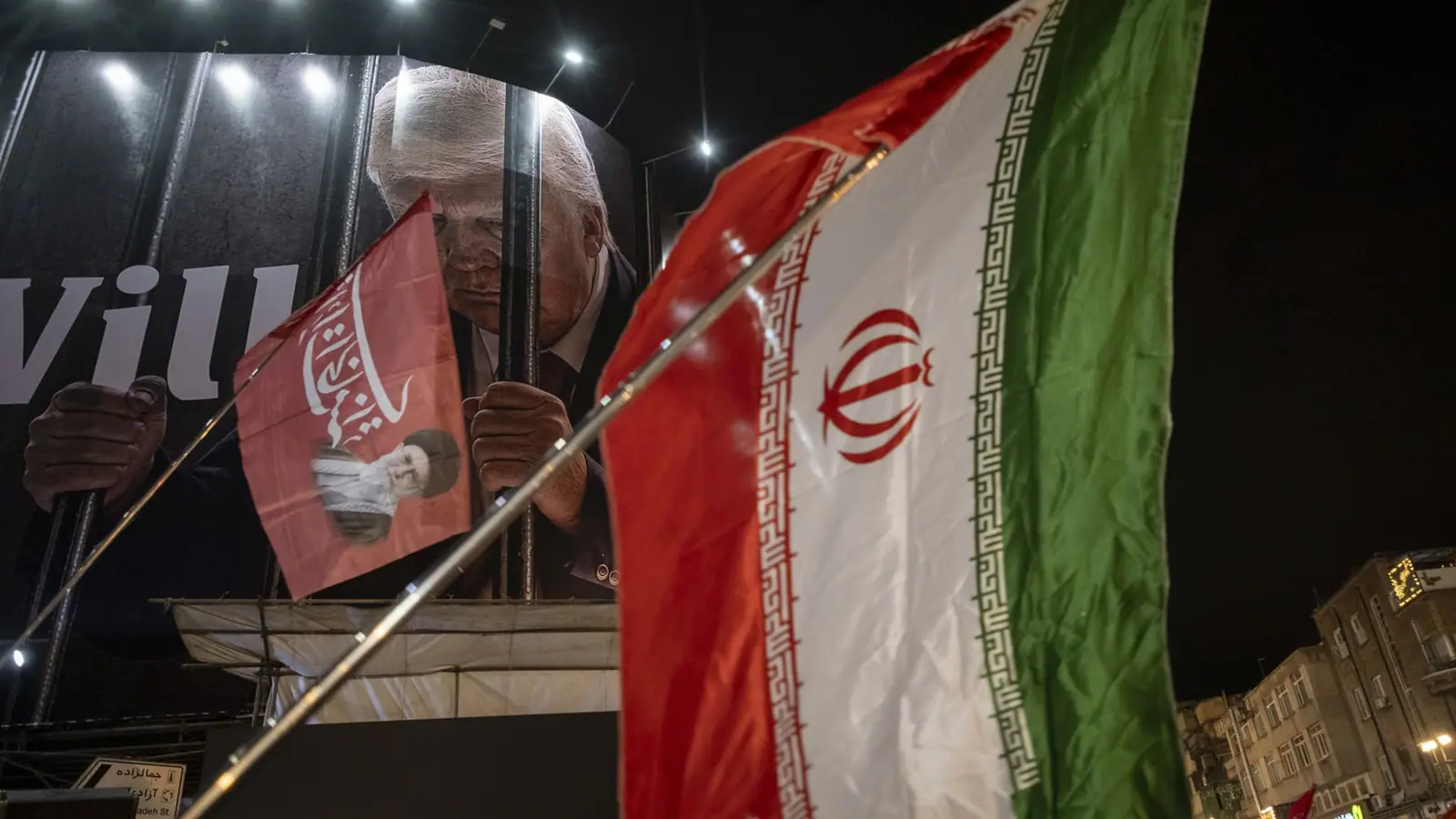
Building on a months-long naval blockade on Iran, the U.S. military said on Saturday it is launching a task force to help crack down on Tehran's movement of advanced weapons and other sanctioned material over its land borders and through the Caspian Sea.
Task Force Iron Gate, which was first reported by Reuters, will be based in Tampa, Florida, and will coordinate with other U.S. government agencies. Beyond the movement of weapons, it will also focus on halting the flow of dual-use technologies used by Iran and stemming what Washington calls illegal revenue streams.
The establishment of the task force is the latest illustration of how the U.S. is still searching for ways to increase pressure on Tehran, more than eight months after launching with Israel a war against the Islamic Republic.
While U.S. strikes have dealt devastating blows to Iran's conventional military and the U.S. naval blockade has severely restricted its crude exports through the Strait of Hormuz and the Arabian Sea, Iran still poses a formidable threat to the region, and its rulers have tightened their grip on the country.
Iran's secret network
A Reuters investigation found Iran has created a secret network of military agencies to import at least $2 billion in hardware, explosives and heavy-duty trucks since January 2025, evading both the US naval blockade and Western sanctions.
The material entered Iran by cargo ship across the Caspian Sea from Russia, by truck from Central Asia, and by freight planes from China, the Reuters investigation showed.
U.S. Central Command said the task force will coordinate with other government agencies. A U.S. military official, speaking on condition of anonymity, said that was expected to include the Treasury, State, and Justice Departments, as well as the intelligence community.
"Strengthening CENTCOM's collaboration with US interagency partners will further constrain Iran's ability to finance terrorism, rebuild weapons factories, and replenish their military," Admiral Brad Cooper, the commander of Central Command, said in a statement.
Central Command estimated that its naval blockade has prevented Iran from exporting more than $25 billion in crude oil.
Still, Iran has proven resilient and gloated after U.S. midterm election results that punished U.S. President Donald Trump's Republican Party, giving control of Congress to opposition Democrats. Vice President JD Vance blamed the Iran war for the electoral rout and appeared to question whether the conflict was worth it.
Mediators have intensified efforts in recent days to end the war between Iran and the U.S. amid fears it could reignite after the U.S. midterm elections.
Trump has been threatened with carrying out a new offensive against Iran, putting countries in the Gulf on edge, since Tehran has threatened broad retaliation against Gulf infrastructure.
Reuters has reported that U.S. intelligence assessments in recent months have indicated that renewed strikes on Iran would not fundamentally change Tehran's negotiating position or lead to the fall of Iran's government.
Choose CNBC as your preferred source on Google and never miss a moment from the most trusted name in business news.