- Published10 November 2026, 11:43 GMT
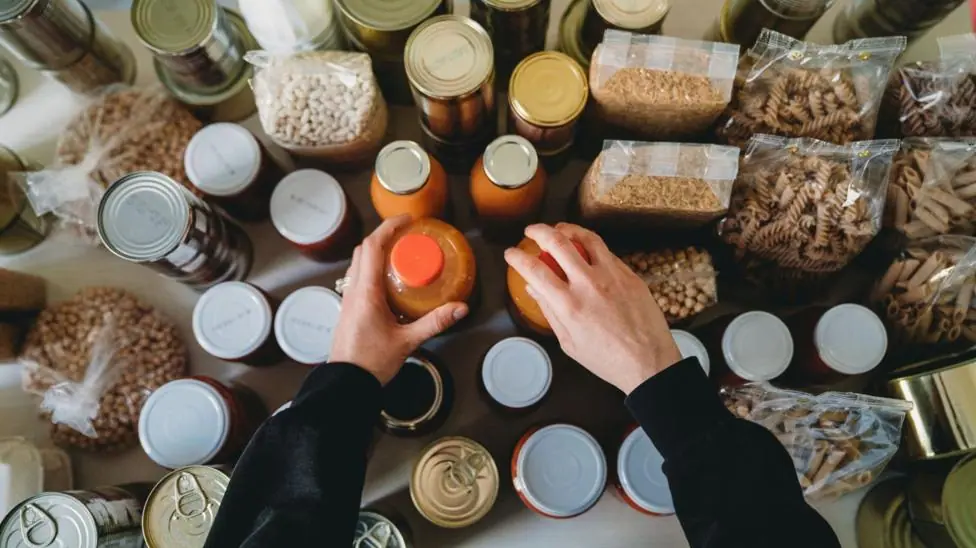
Sales of essential goods such as bottled water and canned food soared in the 10 days following the launch of the government's "Be Ready" emergency preparedness campaign on 22 October, research indicates.
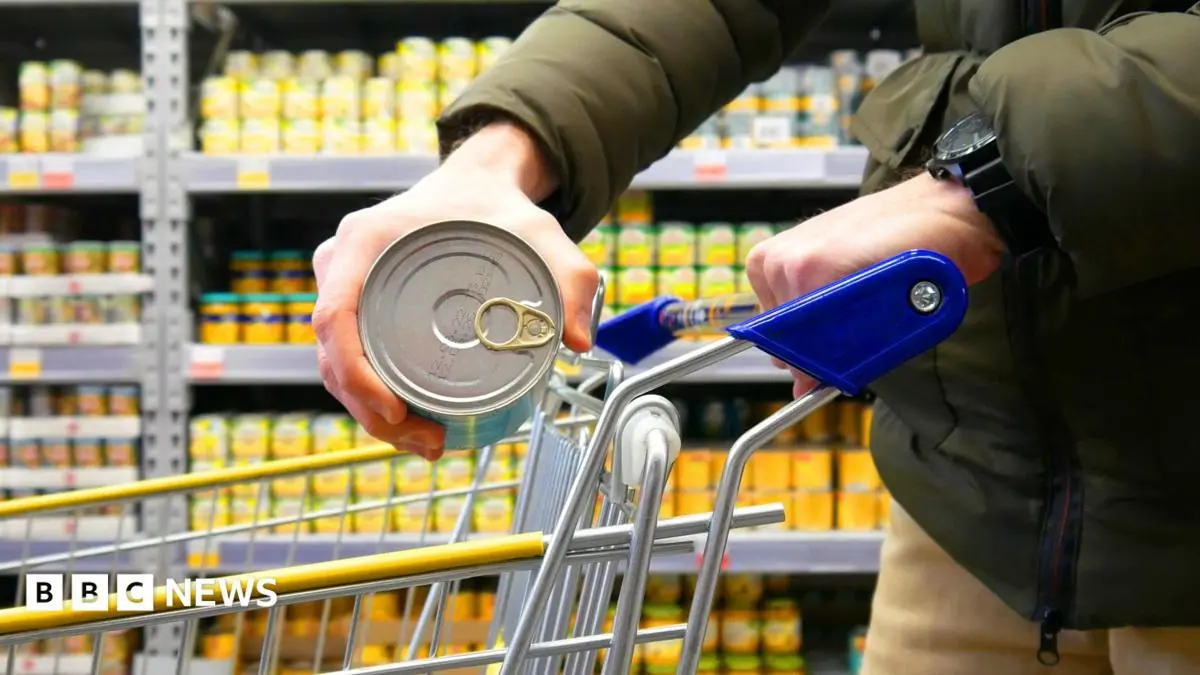
Hand sanitiser sales were up 83%, sales of bottled water rose 67% and tinned and jarred goods climbed 37%, according to data from retail research firm Worldpanel by Numerator.
The government's public awareness campaign encouraged people to stock up in case of disruption to essential services by severe weather or cyberattacks.
However, Worldpanel said that while households were stockpiling essentials, they were not panic buying.
The government campaign encouraged people to keep three days-worth of food and water in their homes.
Wet wipes, a torch and cash were also recommended.
After the campaign launch, the equivalent of an extra 400,000 people per day bought tinned meat, Worldpanel said, although the typical amount remained at 500g, which suggests a gradual stocking-up.
"Shoppers clearly took notice of the 'Be Ready' campaign, but this wasn't panic buying, with less than a third of households buying bottled water in October," said Fraser McKevitt, head of retail and consumer insight at Worldpanel by Numerator.
"Growth came from more people adding the recommended items on the government's checklist to their weekly shop, not from shoppers piling their trolleys high, which is very much in line with what the government wanted households to do," he said.
Sales of tinned and jarred goods rose from £58.2m in the 10 days to 2 November 2025 to £79.5m over the same period in 2026.
Bottled water sales jumped from £13.6m to £22.8m compared with a year earlier and hand sanitiser sales climbed from £497,000 to £908,000.
Further evidence of stockpiling came from food firm Princes on Tuesday, which said demand for tinned tuna, meat and vegetables had risen following the government's campaign.
Princes interim chief executive Giuseppe Mastrolia said the jump in demand "further reinforces the relevance of our core categories in providing affordable, nutritious and convenient food solutions".
The "Be Ready" campaign warns that severe weather and cyber attacks could disrupt essential services, and British households need to make sure they have what they need - for example, bottled water, and long-life food that doesn't need to be kept in the fridge such as dried fruit and nuts.
Prime Minister Andy Burnham has said everyone should have "those supplies in the house to get you through those moments".
Disaster recovery expert Lucy Easthope previously told the BBC that the UK was playing "massive catch up" to other European nations in terms of preparedness.
These include France, Germany Denmark, Sweden, and Norway.
A number of experts have been calling for the UK to put more emphasis on food security, with some arguing that the government itself should take responsibility for food stockpiling, rather than individual households.
In October, a group of more than 180 experts signed an open letter, external to Burnham and first secretary of state Louise Haigh calling for local authorities to have a duty to prevent and respond to food supply emergencies.
They pointed out that a government survey found that 29% of people in the UK could not afford to keep a few days worth of food in the house.
Get in touch
Have you been stockpiling? If so, what have you been buying?
Contact formContact form