Key Takeaways
- The plant's assembly lines can produce 40 cells per minute, making them among the fastest prismatic LFP battery lines outside China.
- The project, which uses CATL-licensed technology, achieved commercial mass production after navigating setbacks including US political scrutiny and a downsizing.
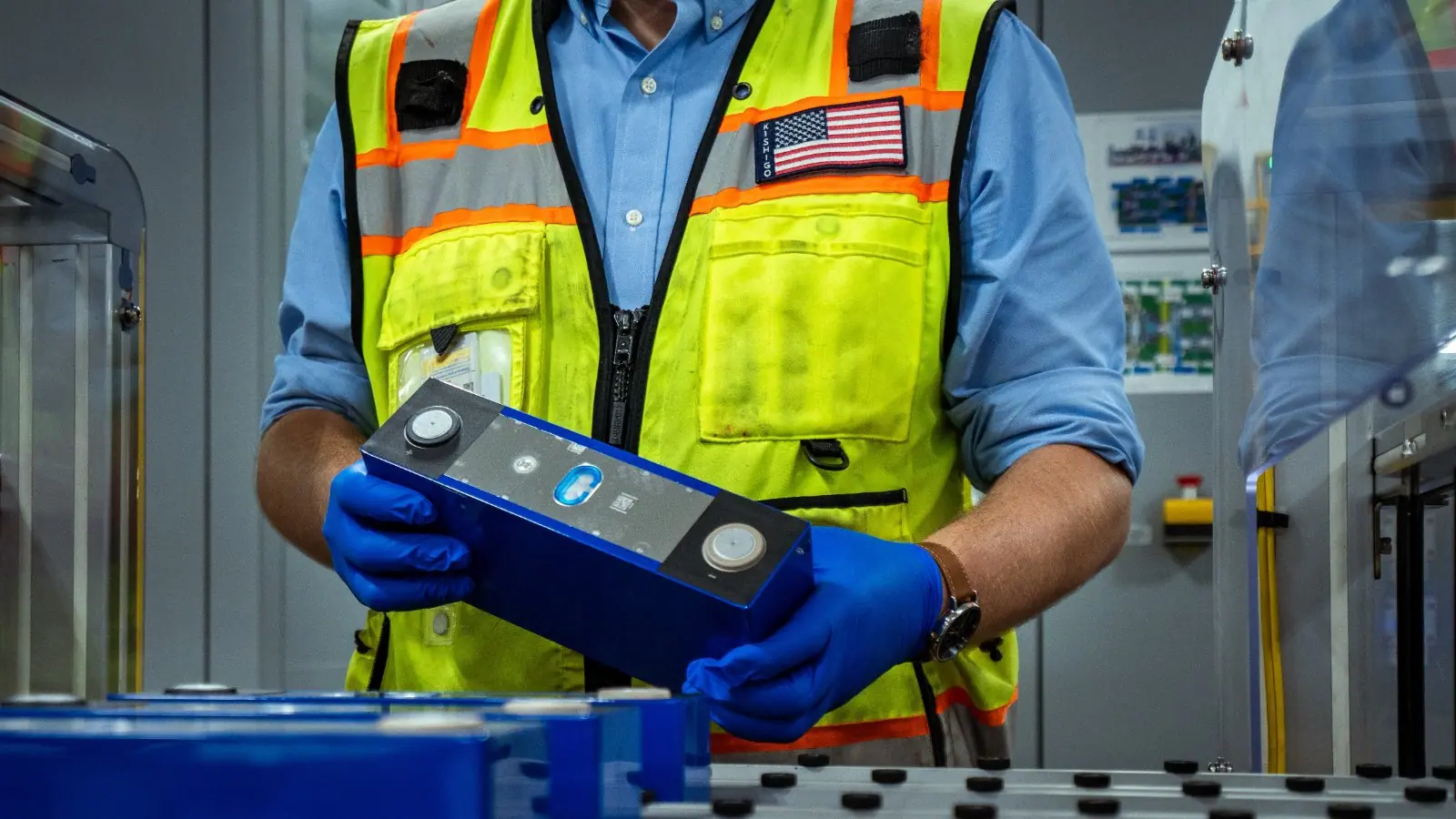
Ford Motor's (NYSE: F) plant in Michigan has rolled out its first lithium iron phosphate (LFP) battery cells using technology licensed from CATL (HKEX: 3750), marking the US auto giant's official entry into battery manufacturing.
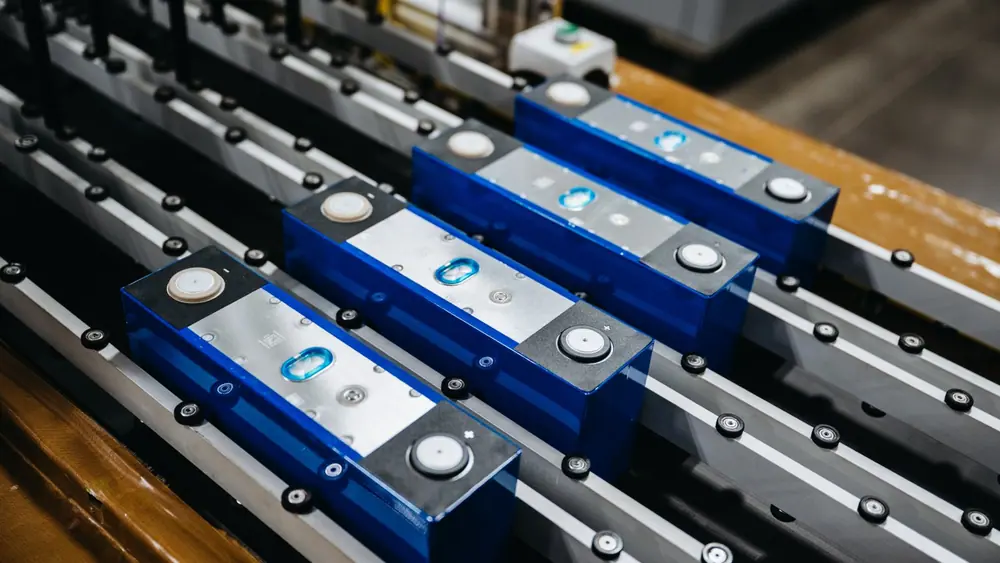
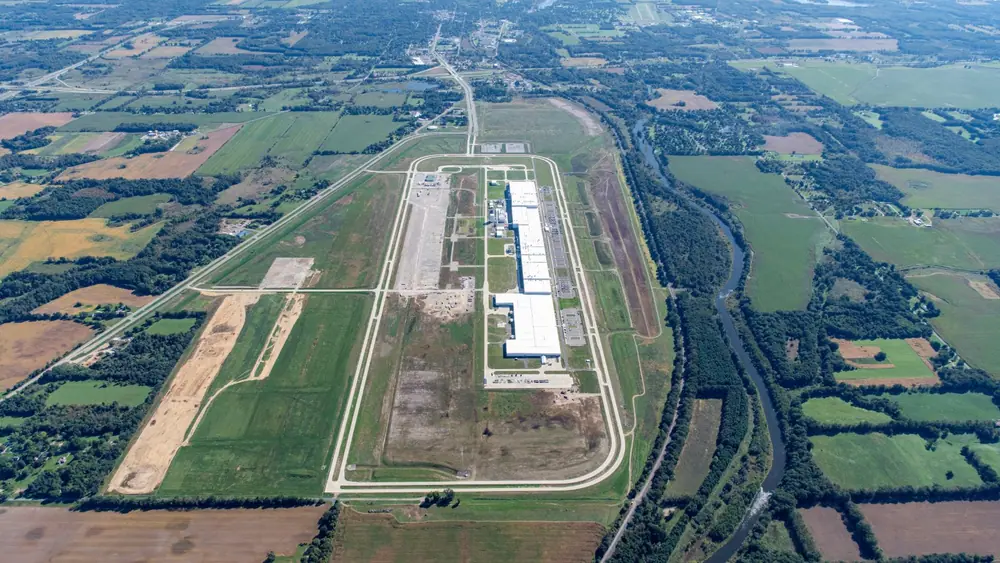
The prismatic LFP cells, produced at BlueOval Battery Park Michigan in Marshall, Michigan, are headed to the Louisville Assembly Plant to power prototypes of the Fathom electric pickup truck, Charles Poon, vice president of hardware engineering at Ford, said in a statement on Wednesday.
With commercial-scale deliveries from the wholly owned and operated plant, Ford will become the first automaker to introduce LFP batteries for the mainstream US consumer automotive market, helping push pure electric vehicle (EV) prices lower.
To significantly reduce vehicle cost and weight, Ford chose proven technology from CATL, the world's largest battery maker, and integrated the prismatic LFP battery pack directly into the vehicle design as a structural chassis component.
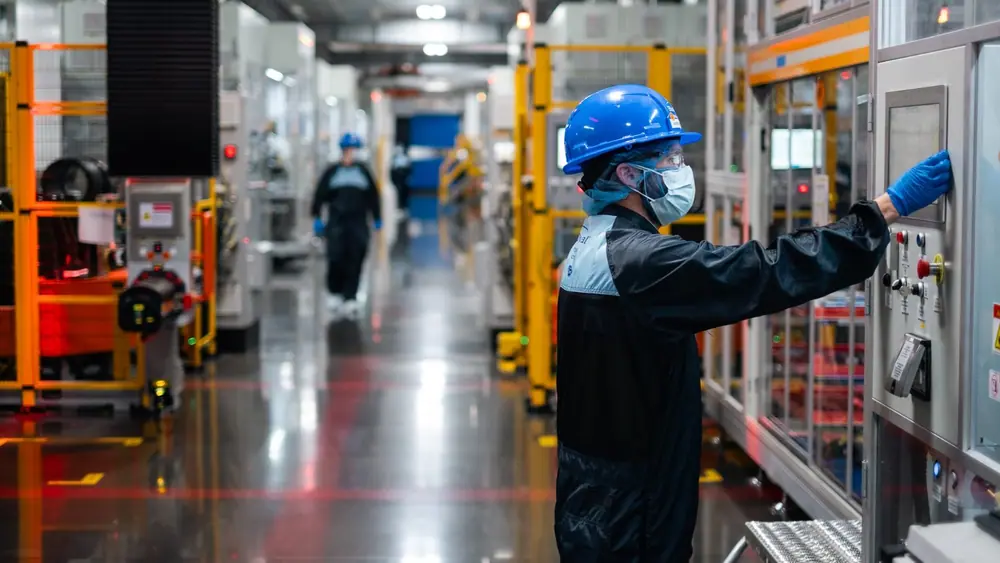
The plant's assembly lines can produce 40 cells per minute, making them among the fastest prismatic LFP battery lines outside China, and use AI image recognition technology to pursue a low defect rate at the parts-per-billion level.
Following the shipment of the first cells, Ford plans to bring a supporting battery pack plant into operation in Marshall in 2027 to prepare for the official launch of the Fathom electric pickup.
Manufacturing experience gained from the on-schedule launch of the Michigan plant is helping a battery energy storage system plant in Glendale, Kentucky, prepare for its start of production in 2027, Ford Energy president David Carroll said on Thursday.
The bumpy partnership began in February 2023, when Ford initially announced a $3.5 billion investment to build a plant with an annual capacity of 35 gigawatt-hours (GWh), with CATL providing technology licensing and operational support.
After US Republican lawmakers questioned whether federal subsidies could indirectly flow to CATL, the project was temporarily halted in 2023 before restarting in November of the same year with investment and annual capacity cut to $2 billion and 20 GWh, respectively.
Facing policy headwinds such as the early termination of US federal EV tax credits in September 2025, Ford recorded $19.5 billion in related asset impairment charges in December 2025, but kept the LFP project and decided to expand into the energy storage business.
Ford announced in June this year that the plant had completed full-process trial production of its first cells and was conducting tests under CATL standards, and has now achieved the official roll-out and shipment of automotive power cells within the year as planned.
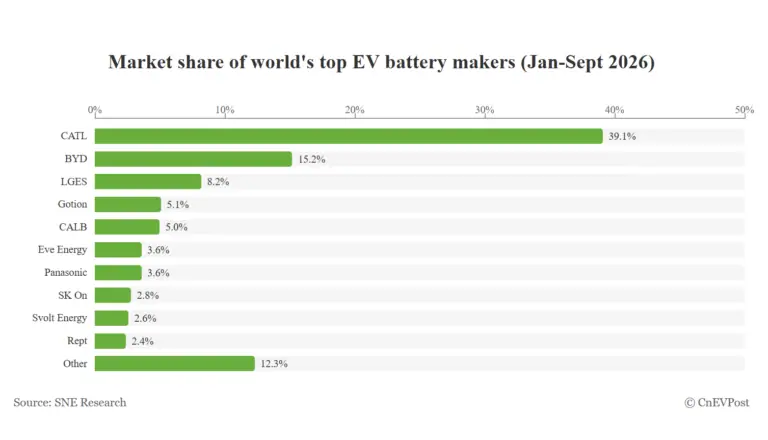
Global EV battery market share in January-September 2026: CATL 39.1%, BYD 15.2% - CnEVPostThe 7 Chinese companies in the top 10 held a combined 73.0% share of the global EV battery market, up 3.5 percentage points from a year earlier.