
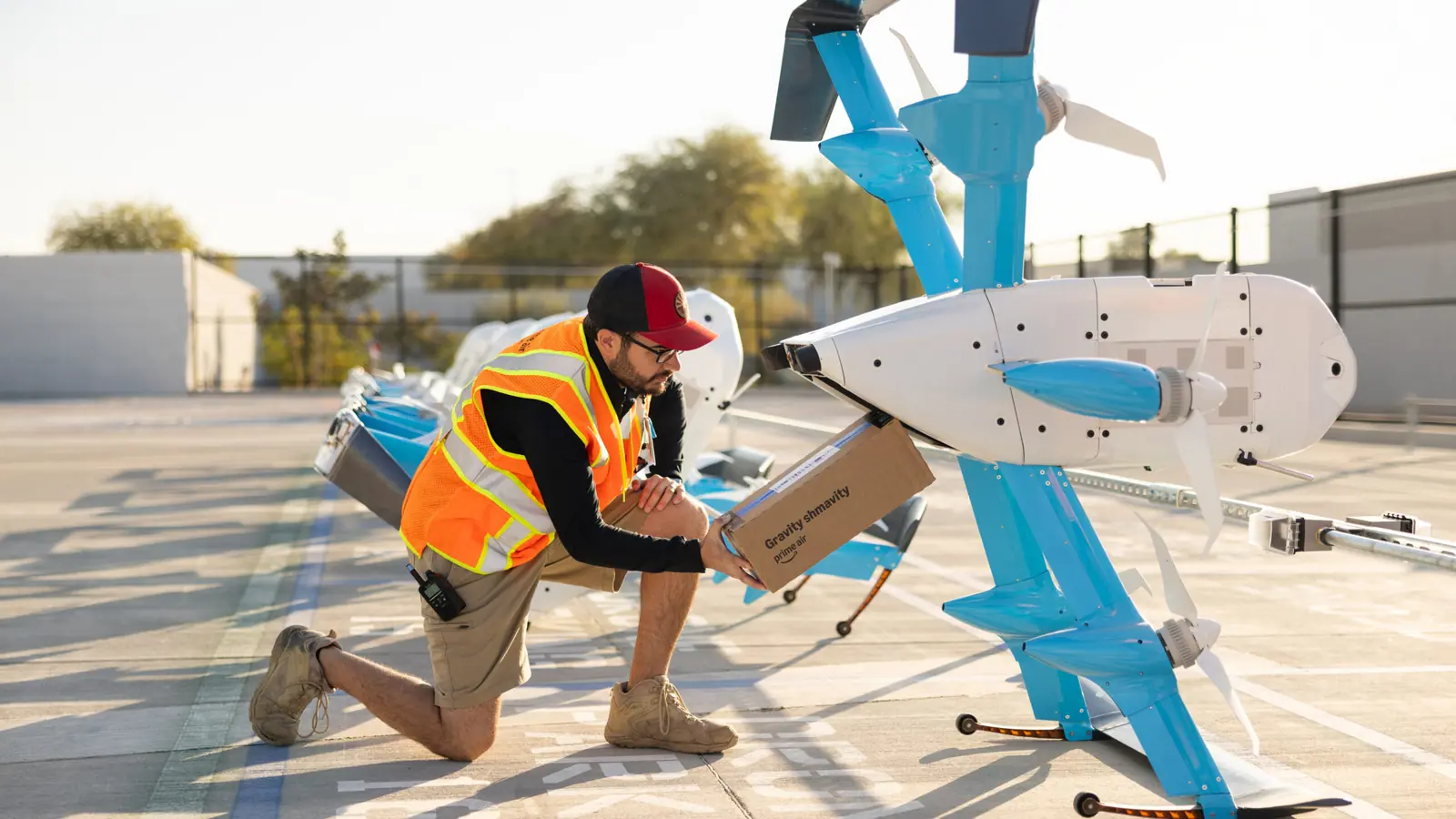
Logan Coomes, the neighbor whose garage was struck by the drone, described an Amazon Prime Air team arriving within 10 minutes and coordinating with Detroit Edison workers to eventually remove the drone by early evening, in an interview with WXYZ 7.
The Amazon Prime Air team also reportedly told Coomes that the company would help with repairs to his garage roof, and gave the homeowner a $100 gift card on the spot. Amazon claimed that this was the first such delivery drone crash from its operations near Detroit.
However, this would also add to the handful of Amazon drone incidents already under investigation by the US government. In October 2025, two Amazon delivery drones crashed into a construction crane in Tolleson, Arizona, while another delivery drone downed an Internet cable in Waco, Texas, the following month.
The FAA has also been investigating an Amazon Prime Air drone crash involving an apartment building in Richardson, Texas, that occurred in February 2026.
In response to the latest crash in Michigan, an Amazon spokesperson described Prime Air drones as making nearly 6,000 flights per day and already having delivered “hundreds of thousands of packages this year” in a statement shared with CNN.
Amazon has been growing its Prime Air service with the goal of having delivery drones reach nearly 500 cities and towns across the United States by the end of 2026. The company has described delivery drones as enabling faster deliveries through potentially lower-emission and lower-cost operations compared with relying solely on ground vehicles.
But the growth of delivery drone services has also drawn noise complaints from people living in neighborhoods where drones operate. As Sean Gallagher has written for Ars, the constant buzz of drones could even trigger post-traumatic stress disorder or other anxiety-related disorders—especially for people who have directly or indirectly experienced some aspect of modern drone warfare.